Gyānpur, India
- 200,000 people
- 1 places to visit
- 25.3435, 82.478
Places to Visit (1)
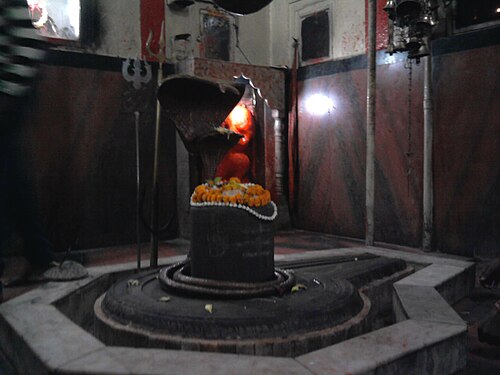
Gyānpur is a city situated in the Bhadohi district of Uttar Pradesh, India. Renowned for its rich cultural heritage and history, Gyānpur has emerged as an important center for weaving and craft industries. The city is strategically located near the banks of the Ganges River, which historically facilitated trade and commerce in the region. The population of Gyānpur is a mix of various communities, predominantly comprising Hindus and Muslims, contributing to the city's vibrant social fabric. The primary languages spoken are Hindi and Urdu, and its residents celebrate a multitude of festivals, which reflect the diverse traditions of the area.
The economy of Gyānpur is largely driven by its handloom textile industry, particularly known for producing high-quality carpets and textiles. The city’s artisans are skilled in traditional weaving techniques that have been passed down through generations. Additionally, agriculture plays a significant role, with crops such as rice and sugarcane cultivated in the surrounding areas. Gyānpur is also recognized for its historical significance, with several temples and monuments that reflect its spiritual and architectural heritage. Despite its smaller size compared to larger cities in Uttar Pradesh, Gyānpur has been an important cultural and economic hub, attracting visitors and business opportunities alike. As urbanization progresses, the city is balancing the preservation of its traditions with the demands of modern development, ensuring that it continues to thrive in contemporary India.
Facts about Gyānpur
- Gyānpur is known for its historical significance as it served as a prominent center of learning and culture during ancient and medieval periods.
- The city is famous for its traditional craftsmanship, particularly in the production of handmade carpets and textiles.
- Gyānpur features the historic tomb of the revered Sufi saint, Shah Karam, which attracts visitors and pilgrims from various regions.
- The city has a rich agricultural backdrop, primarily known for its production of sugarcane and various pulses.
- Gyānpur was known as a 'Jagir' during the Mughal era, highlighting its importance in the feudal system of governance.
- The city is home to the historic Gyanpur Fort, which dates back to the 18th century and has remnants of its erstwhile grandeur.
- Gyānpur is strategically located near Varanasi, making it a notable stop for those exploring the cultural and spiritual heritage of the region.
- The regional dialect spoken in Gyānpur is a distinct variant of Hindi known as 'Bhojpuri,' which adds to its unique linguistic identity.
- Gyānpur hosts an annual fair dedicated to the local deities, showcasing vibrant local traditions, food, and crafts.
- The city's educational institutions, such as the Ghazipur Institute of Technology, contribute to its identity as an emerging hub for technical education.