Gyeongju, South Korea
- 155,237 people
- 16 places to visit
- 35.8266, 129.236
Places to Visit (16)
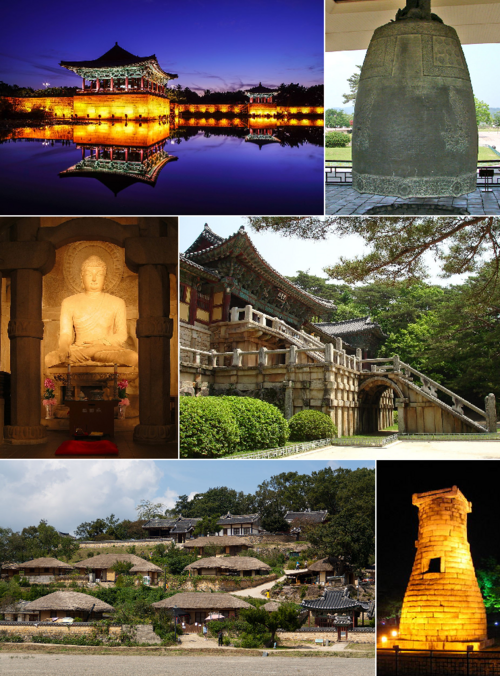
Gyeongju, located in the southeastern part of South Korea, is a city renowned for its rich historical and cultural heritage, often referred to as "the museum without walls." Once the capital of the ancient Silla Kingdom, which ruled from 57 BC to 935 AD, Gyeongju is home to numerous archaeological sites and historical landmarks that reflect its glorious past. The city's landscape is dotted with ancient tombs, palaces, and temples, many of which are UNESCO World Heritage Sites. Notable attractions include the UNESCO-listed Gyeongju Historic Areas, the ancient observatory Cheomseongdae, and the royal tombs of Daereungwon, as well as the stunning Bulguksa Temple and Seokguram Grotto, which showcase the artistry of Silla-era architecture and Buddhist art.
Gyeongju's vibrant culture is celebrated through various festivals and events that highlight its historical significance. The Gyeongju Cherry Blossom Festival in spring draws visitors who come to see the beautiful cherry trees lining the streets and parks, creating a picturesque setting that attracts tourists and locals alike. The city is also known for its traditional cuisine, including dishes such as ssambap (rice wrapped in leafy vegetables) and various types of bibimbap, which are integral to the region's culinary identity. Additionally, Gyeongju has experienced modern development while preserving its historical essence, with contemporary amenities and accommodations that cater to both domestic and international travelers. With a harmonious blend of ancient heritage and modernity, Gyeongju stands as a testament to South Korea’s rich history and cultural vitality.
Facts about Gyeongju
- Gyeongju is often referred to as 'the museum without walls' due to its abundance of historical sites and relics from the Silla Dynasty.
- It was the capital of the Silla Kingdom, one of the Three Kingdoms of Korea, which lasted for nearly a thousand years, from 57 BC to 935 AD.
- Gyeongju is home to the UNESCO World Heritage Sites of Ancient Sites of Gyeongju, including the historic areas and artifacts that represent the Silla Dynasty's culture.
- The city features the famous Seokguram Grotto, a hermitage that houses a stunning stone Buddha statue and intricate carvings, also recognized as a UNESCO World Heritage Site.
- Gyeongju National Museum showcases a vast collection of artifacts and treasures from the Silla Dynasty, making it one of the best museums in South Korea for those interested in ancient history.
- The city's skyline is dotted with numerous burial mounds known as 'tumuli', where ancient kings and noble figures were buried, highlighting Gyeongju's historical significance.
- Gyeongju has a rich array of traditional festivals, including the Gyeongju Cherry Blossom Marathon and the Seoul Gyeongju World Culture Expo, celebrating the city's cultural heritage.
- The city is known for its traditional architecture, particularly the area of Hanok, where visitors can explore traditional Korean houses and experience local culture.
- Gyeongju’s Bulguksa Temple, another UNESCO World Heritage Site, is renowned for its sophisticated architectural style and is considered a masterpiece of Buddhist art in East Asia.
- Gyeongju is also famous for its natural beauty, including beautiful scenery during the cherry blossom season and the historic coastal area near the East Sea.