Gyeongsan-si, South Korea
- 129,903 people
- 11 places to visit
- 35.8338, 128.8091
Places to Visit (11)
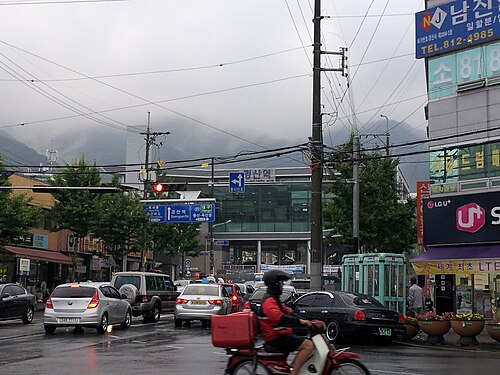
Gyeongsan-si is a city located in the North Gyeongsang Province of South Korea, situated approximately 15 kilometers east of Daegu, one of the country's major urban centers. It has a population of around 200,000 residents and is known for its blend of urban conveniences and rich natural landscapes. Gyeongsan-si is strategically positioned at the convergence of important transportation routes, which enhances its accessibility to surrounding areas. The city is characterized by a mix of modern development and traditional Korean culture, making it an attractive destination for both residents and visitors.
The city boasts several historical sites and cultural landmarks, such as the historic Gyeongsan Confucian Academy, which exemplifies the long-standing reverence for Confucianism in Korean society. Additionally, Gyeongsan-si has numerous parks and outdoor spaces, including the picturesque Dongdaegu Park and the serene Apsan Park, which offer recreational opportunities and scenic views of the surrounding mountains. Furthermore, Gyeongsan-si is recognized for its educational institutions, including Kyungpook National University, one of South Korea's prestigious universities, contributing significantly to the local economy and cultural atmosphere.
Economically, Gyeongsan-si has a diverse industrial base, encompassing manufacturing, technology, and agriculture. The city hosts various small and medium-sized enterprises, which play a vital role in its economic development. Moreover, Gyeongsan’s proximity to Daegu has fostered a collaborative relationship that promotes regional growth and innovation. The local government actively pursues urban development initiatives to enhance infrastructure and improve the quality of life for residents. Overall, Gyeongsan-si exemplifies a harmonious blend of tradition and modernity, making it an interesting place for exploration and living in South Korea.
Facts about Gyeongsan-si
- Gyeongsan-si is notable for its rich historical significance as it was once a central area during the Silla Kingdom, one of the three ancient kingdoms of Korea.
- The city is home to the distinguished Kyungpook National University, one of South Korea's leading universities, contributing significantly to higher education and research in the region.
- It hosts the famous Boseong Green Tea Plantation, known for its scenic landscapes and high-quality green tea production, making it a unique agricultural hub in the area.
- Gyeongsan-si is recognized for its traditional Korean culture, with the annual Gyeongsan International Exposition showcasing local handicrafts and cultural events.
- The city is adjacent to the historic city of Gyeongju, allowing residents and tourists to explore the UNESCO World Heritage Sites of ancient tombs and temples from the Silla period.
- Gyeongsan-si's Seongseo Industrial Complex plays a crucial role in the local economy, focusing on high-tech industries including IT and biotechnology.
- The city features the beautiful Gyeongsan Sangdong Park, which offers a mix of traditional Korean gardens and modern recreational facilities, a rare combination for urban parks in Korea.
- It has a vibrant community of festivals, including the Gyeongsan Rice Cake Festival, where visitors can learn about and taste various traditional rice cakes.
- Gyeongsan-si is known for its efforts in sustainability and eco-friendliness with initiatives focused on building green spaces and renewable energy sources.
- The city utilizes its proximity to the Nakdong River to promote eco-tourism, with various activities like cycling and hiking along the lush riverside trails.