Győr, Hungary
- 129,301 people
- 16 places to visit
- 47.6875, 17.6504
Places to Visit (16)
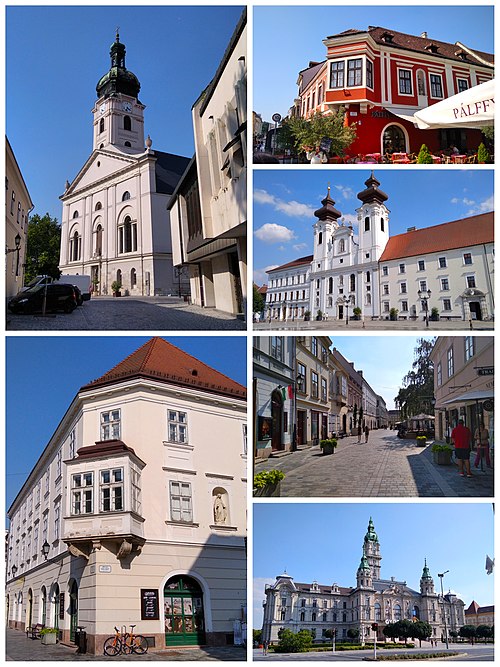
Győr is a vibrant city located in northwestern Hungary, nestled at the confluence of the Danube, Rába, and Rabca rivers. It serves as the capital of Győr-Moson-Sopron County and is one of Hungary's key urban centers, known for its historical significance and architectural charm. With a population of approximately 130,000 residents, Győr is the sixth largest city in Hungary and an important commercial, cultural, and educational hub. The city has a rich history that dates back to Roman times, when it was known as Arrabona. Today, remnants of its Roman past can still be seen in the form of ancient ruins and artifacts.
The city is celebrated for its well-preserved Baroque architecture, particularly in the picturesque downtown area, which is characterized by narrow streets, colorful facades, and charming squares. Key landmarks include the iconic Bishop's Castle, which dates back to the 13th century, and the impressive Basilica of Győr, known for its soaring towers and beautiful interior. Cultural life in Győr is vibrant, with numerous theaters, galleries, and annual festivals, such as the Győr Dance Festival and the Győr Spring Festival, which showcase local and international talent. Education also plays a significant role in the city's identity, with institutions such as Széchenyi István University contributing to the local economy and culture.
Győr's strategic location makes it an essential transportation hub, connecting major cities like Budapest, Vienna, and Bratislava, which contributes to its economic growth. The city has developed a strong industrial base, particularly in automotive manufacturing, with several international companies establishing facilities in the area. Outdoor enthusiasts are drawn to Győr for its scenic parks, riverside promenades, and proximity to the picturesque countryside, including the nearby Bakony Hills and Pannonhalma Archabbey, a UNESCO World Heritage site. With its blend of historical heritage, modern industry, and cultural vibrancy, Győr continues to thrive as a significant city in Hungary’s landscape.
Facts about Győr
- Győr is one of Hungary's oldest cities, with a history that dates back to Roman times when it was known as Arrabona.
- The city is located at the confluence of three rivers: the Danube, the Rába, and the Rábca, which has significantly contributed to its history as a trade and transportation hub.
- Győr is famous for its Baroque architecture, particularly the impressive buildings found in its city center, including the Cathedral of Győr.
- The city hosts the annual Győr International Dance Festival, which attracts performers and participants from around the world, showcasing various dance styles.
- Győr is known for its vibrant cultural scene, including the Rába Quelle Spa, which is one of the largest thermal baths in Hungary.
- The city played a significant role during the Hungarian Revolution of 1956, where it served as a key location for revolutionary activities.
- Győr is recognized as a center for the automotive industry in Hungary, home to major manufacturing facilities, including those of Audi and the Hungarian automotive cluster.
- The city features a unique discovery park called Xantus János Zoo, which combines zoological exhibits with interactive experiences for visitors of all ages.
- Győr is often referred to as the 'city of rivers,' making it a picturesque destination with numerous waterfront parks and promenades.
- The city has recently gained attention for its innovative approach to urban development, including efforts to preserve historical sites while promoting modern infrastructure.