Gyula, Hungary
- 32,269 people
- 13 places to visit
- 46.6473, 21.2784
Places to Visit (13)
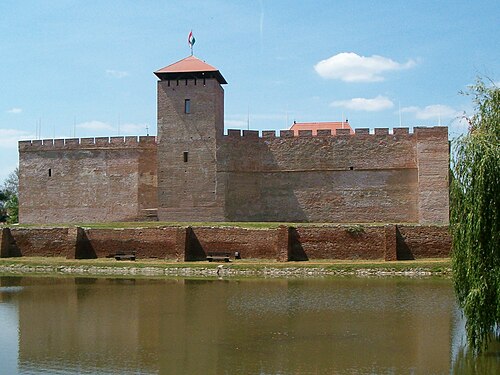
Gyula is a picturesque town located in southeastern Hungary, close to the Romanian border, and is the administrative center of Gyula District in Békés County. With a population of approximately 30,000 residents, it is known for its rich history, cultural heritage, and thermal baths. The town was first documented in the 13th century, and its name is derived from the Slavic word "gula," meaning "spear." Gyula boasts numerous architectural landmarks, with its most iconic structure being the Gyula Castle, a well-preserved medieval fortress built in the 15th century. The castle, surrounded by a moat, is an excellent example of Renaissance military architecture and serves as a popular tourist attraction.
Gyula is not only famed for its historical sites but also for its thermal water resources. The Gyula Castle Spa, located near the city center, features a range of wellness options, including indoor and outdoor pools, saunas, and spa treatments that attract visitors year-round. The town is also recognized for its culinary offerings, particularly the Gyulai sausage, a renowned Hungarian specialty that has earned geographical indication status. This traditional sausage is made using a unique blend of spices and is an integral part of the local gastronomy. The annual Gyula Sausage Festival celebrates this culinary tradition, bringing together locals and tourists alike to enjoy various food-related activities, music, and entertainment.
Culturally, Gyula thrives with a diverse array of events and festivals throughout the year, highlighting its vibrant community life. The town also hosts multiple art and music festivals, which promote local artists and foster a sense of community engagement. As a center of tourism, Gyula's combination of historical significance, natural beauty, and cultural richness makes it an appealing destination for both domestic and international travelers looking to explore the charms of Hungary.
Facts about Gyula
- Gyula is famous for its historic castle, the Gyula Castle, which is one of the best-preserved medieval fortifications in Hungary.
- The city is known for its thermal baths, particularly the Gyula Thermal Bath, which has a rich history dating back to the 19th century.
- Gyula is recognized as the birthplace of the Hungarian sausage, particularly the Gyulai kolbász, which holds a Protected Designation of Origin status.
- The town hosts the annual 'Gyula Castle Theatre' festival, which features a variety of plays and performances against the backdrop of the castle.
- Gyula has a unique Art Nouveau-style town hall, which stands out among other architectural styles commonly found throughout Hungary.
- The city is surrounded by picturesque landscapes and nature reserves, including the Körös-Maros National Park, making it a popular destination for eco-tourism.
- Gyula is known for its vibrant cultural scene, with numerous museums including the Gyula Alfoldi Museum, showcasing local history and art.
- The city played a significant role in the Hungarian Revolution of 1848, with several events and figures linked to its history.
- Gyula has maintained a strong tradition of festivals, such as the Gyula Gastro Festival, which prominently features local cuisine and wines.
- The city is twinned with several cities around Europe, fostering international relationships and cultural exchange.