Haeju, North Korea
- 222,396 people
- 1 places to visit
- 38.0375, 125.7079
Places to Visit (1)
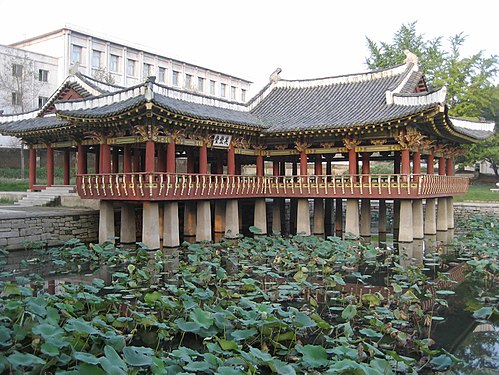
Haeju is a significant city situated in the southwestern part of North Korea, serving as the capital of the Hwanghae-namdo province. The city is located along the coast of the Yellow Sea, approximately 130 kilometers southwest of the capital, Pyongyang. Haeju is strategically positioned as a major port, contributing to its importance in trade and transportation. The city has a rich history, having been established as a center of commerce and politics, particularly during the late Korean dynasties and the Japanese colonial period. The population of Haeju is around 140,000 people, according to estimates, making it one of the larger urban centers in North Korea.
The economy of Haeju largely relies on its port activities, with shipbuilding and fishing being significant contributors. The city also engages in various industries, including textiles and processing of agricultural products, largely due to its access to the surrounding fertile land. Haeju is known for its production of rice and fish, crucial staples in the North Korean diet. The transportation infrastructure in Haeju is also notable, with railway connections to other parts of North Korea and highways facilitating overland travel. The city's location makes it a pivotal point for trade routes, particularly with China and other neighboring countries, despite the restrictions imposed by the regime.
Haeju is characterized by a mix of modern and traditional Korean architecture, with significant landmarks including the Haeju Revolutionary Museum, which showcases the region’s history and revolutionary activities during the Korean War. The city also features various monuments and parks that reflect the North Korean style of public spaces, along with a few private enterprises despite the overarching state control. The political environment in Haeju mirrors that of the broader North Korean context, marked by strict governmental oversight and a pervasive sense of nationalism. With its cultural and economic significance, Haeju represents a unique aspect of life in North Korea, highlighting both the challenges and the resilience of its people within the context of a heavily regulated society.
Facts about Haeju
- Haeju is located in the southwestern part of North Korea and serves as the capital of South Hwanghae Province.
- The city is strategically important due to its proximity to the Yellow Sea, providing access to shipping routes.
- Haeju is known for its rich history, having been a significant port city during the Korean Empire, particularly in trade with the outside world.
- The city features the Haeju Fortress, which dates back to the 9th century, and is a significant historical landmark.
- Haeju is renowned for its production of salt, which has been a traditional economic activity that dates back centuries.
- In contrast to much of North Korea, Haeju boasts a unique natural landscape that includes the nearby Mount Kwanmo.
- The city has a number of educational institutions, including Haeju University, which distinguishes it as a center of education in the region.
- Haeju was one of the sites of fierce fighting during the Korean War, resulting in significant historical events that shaped its modern identity.
- The Haeju Grand Theater is a notable cultural venue, hosting various performances that reflect North Korean culture and propaganda.
- Unlike many other cities in North Korea that are heavily industrialized, Haeju retains a more traditional and rural atmosphere in certain areas.