Hafizabad, Pakistan
- 153,656 people
- 5 places to visit
- 32.0712, 73.6895
Places to Visit (5)
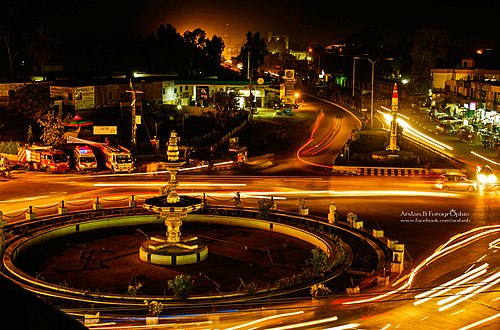
Hafizabad is a city and capital of the Hafizabad District in the Punjab province of Pakistan. Located approximately 50 kilometers northwest of Lahore, Hafizabad is well-connected through major road networks, making it accessible for trade and travel. The city was established in the late 19th century and is named after the renowned poet Hafiz, emphasizing the cultural importance of poetry and education in the region. A notable historical feature of Hafizabad is its archaeological significance, with several ruins and ancient structures that reflect the rich heritage of the area. The district has a diverse population, which primarily consists of Punjabis, and is characterized by agricultural activities, with fertile land contributing to a strong local economy based on crops such as wheat, rice, and sugarcane.
Hafizabad is also known for its vibrant textile industry, producing local fabrics and garments that are both consumed domestically and exported. Moreover, the city hosts numerous educational institutions, contributing to its status as a center for learning in the region. Religious and cultural practices play an important role in the lives of its residents; several mosques and shrines are spread throughout the city, reflecting the Islamic heritage of the area. In recent years, Hafizabad has seen growth in urban development and infrastructure improvements, which have enhanced the quality of life for its inhabitants. The city celebrates various local festivals, showcasing its rich cultural traditions and fostering a sense of community among its residents. Overall, Hafizabad serves as an important urban center in Punjab, representing a blend of historical significance, cultural richness, and economic vitality.
Facts about Hafizabad
- Hafizabad is known for its rich agricultural economy, primarily producing rice, sugarcane, and wheat, setting it apart as a significant contributor to Pakistan's agricultural output.
- The city is named after Hafiz, a renowned Persian poet, and it is believed that the name reflects the cultural ties and influence of Persian literature in the region.
- Historically, Hafizabad was established in the early 19th century and has roots connected to the Mughal Empire, which has influenced its architecture and culture.
- Hafizabad is home to several ancient mosques and structures, including the famous Jamia Mosque, showcasing beautiful Mughal architectural designs.
- The city hosts the annual Hafizabad Mela, a cultural festival that celebrates local traditions, music, and crafts, attracting visitors from surrounding areas.
- Hafizabad is strategically located on the Grand Trunk Road, one of the oldest and longest major roads in Asia, which has historically facilitated trade and travel.
- The city has a unique blend of urban and rural life, with numerous villages surrounding it, providing a diverse cultural experience that differs from larger metropolitan areas.
- Hafizabad is known for its strong sense of community and hospitality, with many festivals and events that bring residents together to celebrate local heritage.
- The city has been a focal point for educational development, with several colleges and institutions established, making it a significant hub for learning in the region.
- Hafizabad is also known for its vibrant bazaars, where local artisans sell traditional handicrafts, including pottery, textiles, and embroidered goods, reflecting the city's rich cultural heritage.