Hagåtña, Guam
- 1,051 people
- 12 places to visit
- 13.4769, 144.7543
Places to Visit (12)
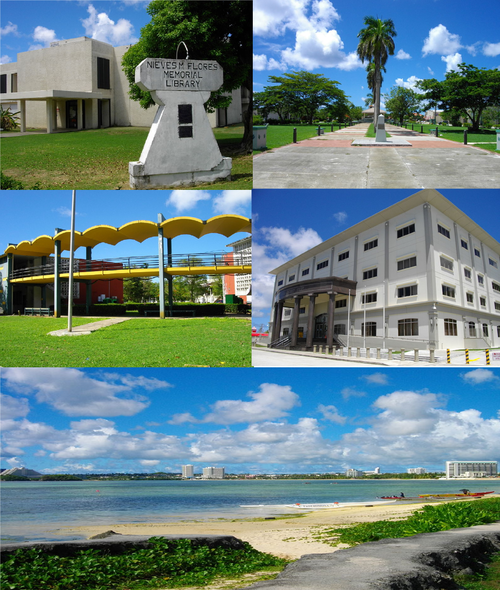
Hagåtña, the capital of Guam, is a small yet culturally significant city located on the island's southwest coast. With a population of approximately 1,000 residents, it is one of the smallest capitals in the world, covering an area of about 4.2 square miles. Hagåtña, historically known as Agana, has a rich Chamorro heritage and serves as the political, cultural, and commercial heart of Guam. The city showcases a blend of indigenous Chamorro culture and influences from Spanish colonization, which began in the late 16th century. Key landmarks include Fort Nuestra Señora de la Soledad, the San Antonio de Padua Church, and the iconic Latte Stone Park, where visitors can view ancient Chamorro stone pillars that once supported homes.
Hagåtña is not only a vital administrative hub but also a center for tourism and education. The city hosts several government offices, including the Guam Legislature, as well as the University of Guam's main campus, which contributes to the local economy and employment. The annual Fiesta in Hagåtña celebrates Chamorro culture and traditions, drawing locals and tourists alike to participate in various activities, food fairs, and cultural exhibitions. The city's economy is bolstered by visitors who come to experience its unique heritage, natural beauty, and vibrant community life. Despite its small size, Hagåtña plays a crucial role in representing the identity and history of Guam.
Facts about Hagåtña
- Hagåtña is the capital of Guam and serves as the political, cultural, and historical center of the island.
- The city is home to the iconic Latte Stone Park, which showcases the ancient Chamorro structures known as latte stones, symbolizing the island’s pre-colonial history.
- Hagåtña features the Plaza de España, a historical site that was once the Governor's mansion during Spanish colonial rule, reflecting the city’s colonial past.
- The city is known for the Guam Museum, which highlights the rich history and diverse cultures of Guam, making it a key educational resource.
- Hagåtña hosts the annual Guam Liberation Day Parade, commemorating the island's liberation from Japanese occupation during World War II, making it a significant local event.
- The Cathedral-Basilica of Dulce Nombre de Maria, located in Hagåtña, is the mother church of the Archdiocese of Agana and is a notable example of Spanish colonial architecture.
- Hagåtña is unique for its historic Chamorro architecture, evident in structures such as the San Antonio de Padua Church, which connects the city to its indigenous roots.
- The city is also known for its vibrant cultural festivals, such as the Guam Micronesia Island Fair, which celebrates the island's traditions and crafts.
- Hagåtña maintains a distinct identity with its government offices, making it the hub for Guam’s administrative functions, differing from more tourist-centric areas.
- The city is surrounded by the Hagåtña River, which is a significant natural resource and has historical importance for the indigenous Chamorro people.