Hagen, Germany
- 198,972 people
- 13 places to visit
- 51.3678, 7.4636
Places to Visit (13)
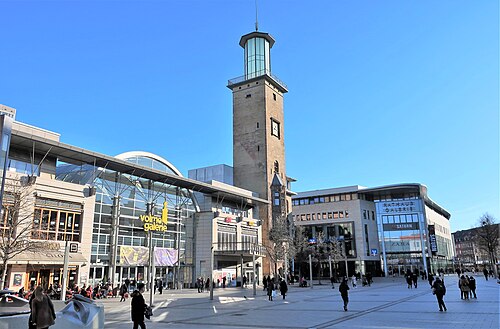
Hagen is a city located in North Rhine-Westphalia, Germany, situated in the heart of the Ruhr area. With a population of around 190,000, it is one of the larger cities in the region. Hagen serves as a significant economic and cultural center, benefiting from its strategic position between the cities of Dortmund, Wuppertal, and Essen. The city is characterized by its hilly terrain and diverse landscapes, which include parks and green spaces that offer residents and visitors a respite from urban life. The River Volme, a tributary of the Ruhr, flows through the city, contributing to its scenic beauty and providing opportunities for outdoor activities.
Hagen has a rich historical background, with roots tracing back to the medieval period. The city gained prominence in the 19th century due to industrialization, particularly in the textile and metal industries. Today, although much of its heavy industry has diminished, Hagen has diversified its economic base to include education, services, and retail. The city is home to the FernUniversität in Hagen, Germany's only distance learning university, which attracts students from across the country and beyond. Cultural offerings in Hagen are diverse, featuring museums like the Museum für Kunst und Kulturgeschichte and the Osthaus Museum, which hosts modern and contemporary art exhibitions. Parks such as the Stadtgarten and the nearby Sauerland also provide recreational spaces for locals and visitors alike, showcasing the city’s commitment to maintaining a balance between urban development and green living.
Despite facing challenges, such as post-industrial economic transitions, Hagen continues to evolve, leveraging its rich heritage and strategic location to enhance its attractiveness for businesses and residents. With ongoing urban development projects and a focus on improving infrastructure, Hagen aims to solidify its position as a dynamic and inclusive city, fostering cultural diversity and sustainable growth in the coming years.
Facts about Hagen
- Hagen is known as the 'Gateway to the Sauerland', serving as an access point to the picturesque Sauerland region, famous for its mountains and outdoor activities.
- The city has a rich industrial history, particularly as a center for the coal and steel industries during the 19th and 20th centuries, distinguishing it from many other cities in Germany.
- Hagen is home to the largest open-air museum in Germany, the 'LWL Industrial Museum Ising', which showcases the history of industrial heritage in the region.
- The city has a unique cultural blend, being the birthplace of famous German artist Emil Schumacher, who greatly contributed to expressionist art.
- Hagen is renowned for the Kunstquartier, a cultural institution that combines galleries, studios, and cultural events, fostering contemporary artistic expression.
- The town hosts the annual 'Hagener Musiktage', a music festival that celebrates various genres, highlighting the city's commitment to cultural events.
- Hagen features the historic 'St. John's Church', a stunning example of neo-Gothic architecture that stands out among the city's landmarks.
- The city played a crucial role during the German industrial revolution, which has profoundly shaped its urban landscape and demographic profile.
- Hagen's 'Oberhausen Castle' is one of the few remaining castles in North Rhine-Westphalia, showcasing the city's historical significance and architectural heritage.
- Hagen is part of the larger metropolitan area of the Ruhr, but it maintains its own distinct identity through numerous parks and green spaces, setting it apart from more urbanized neighboring cities.