Hagi, Japan
- 43,826 people
- 10 places to visit
- 34.4081, 131.399
Places to Visit (10)
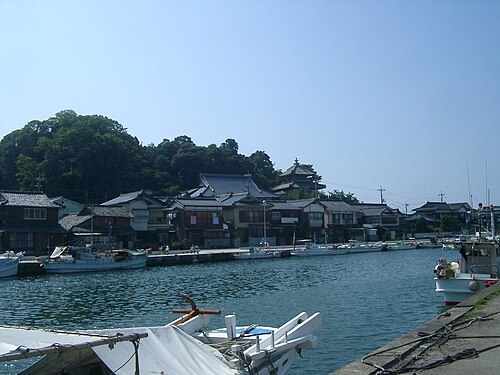
Hagi is a city located in Yamaguchi Prefecture on Honshu, the main island of Japan. Renowned for its rich history and cultural heritage, Hagi was established in the early 17th century as the administrative center of the Hagi Domain under the control of the Mori clan. The city played a significant role during the late Edo period as a center for intellectual and political thought, contributing to the Meiji Restoration. Its historical significance is preserved in its well-maintained samurai district, featuring traditional wooden buildings, temples, and shrines that reflect the architectural style of the period. Hagi is also famous for its pottery, particularly Hagi-yaki, which is revered for its unique glazing techniques and simple elegance.
The city sits along the Sea of Japan, providing a picturesque coastal landscape that enhances its appeal. Hagi is surrounded by beautiful natural scenery, including the iconic Hagi Castle ruins, which offer stunning views of the surrounding area. This former castle, albeit mostly in ruins, is a popular tourist destination, along with other historical sites like the old samurai houses and the Hagi Uragami Museum, which houses various traditional and contemporary art pieces. In addition to its historical sites, Hagi is celebrated for its annual festivals, including the Hagi Matsuri, which showcases local culture through parades, traditional performances, and food. Furthermore, the city serves as a gateway to beautiful nearby islands and outdoor recreational activities, attracting visitors who seek both cultural experiences and nature. Hagi's combination of historical significance, artistic heritage, and natural beauty makes it a unique and vibrant destination within Japan.
Facts about Hagi
- Hagi is famous for its well-preserved Edo-period architecture and is designated as a UNESCO World Heritage Site for its historic buildings and townscape.
- The city is known for Hagi-yaki, a type of pottery that has been produced in the area since the 17th century and is celebrated for its unique glazes and craftsmanship.
- Hagi served as the capital of the Choshu Domain during the Edo period, playing a crucial role in the Meiji Restoration and the modernization of Japan.
- The city is home to the Hagi Castle ruins, where visitors can explore the remnants of one of Japan's historic castles that date back to the early 17th century.
- Hagi is known for its scenic coastal beaches, such as the famous Hagi Beach, which offers beautiful views and opportunities for swimming and relaxation.
- The Hagi Uragami Museum showcases a collection of over 500 artworks, including Western paintings and traditional Japanese pieces, highlighting the city's cultural significance.
- Every October, Hagi hosts the Hagi Matsuri, an autumn festival that features traditional music, dance, and colorful parades, celebrating local culture and heritage.
- Hagi is renowned for its historical figures, including the influential samurai and statesman Takasugi Shinsaku, who played a significant role in Japan's transition to a modern state.
- The city is also famous for its beautiful cherry blossoms in spring, attracting tourists who come to witness the stunning sakura scenery in various parks.
- Hagi has a thriving local seafood cuisine, particularly known for dishes featuring fresh fish, shellfish, and Hagi's unique local delicacies, which set it apart from other regions.