Haguenau, France
- 38,721 people
- 9 places to visit
- 48.8133, 7.7913
Places to Visit (9)
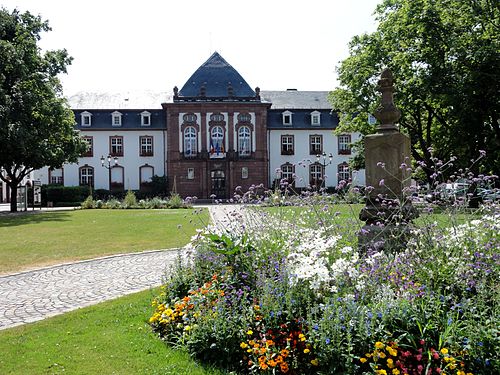
Haguenau is a commune located in the Bas-Rhin department in the Grand Est region of France. Situated approximately 30 kilometers north of Strasbourg, it lies at the confluence of the Rhine and the Moder rivers. With a history that dates back to Roman times, when it was known as "Argentoratum," Haguenau became an important settlement and eventually a vibrant market town during the medieval period. The town's strategic position made it a significant hub for trade and commerce between France and Germany.
The architecture of Haguenau reflects its rich history, featuring a blend of medieval and modern influences. The most notable structure is the Church of St. George, a stunning example of Gothic architecture built in the 14th century. The town is also characterized by its well-preserved half-timbered houses, particularly around the central square, which adds to its charm. In addition, the Haguenau Town Hall, constructed in the 18th century, showcases classic French architectural elements. The town has retained much of its historical character, making it an attractive destination for tourists interested in history and culture.
Haguenau is not only renowned for its historical significance but also for its vibrant cultural scene. The town hosts various events throughout the year, including the renowned Christmas market that draws visitors from near and far. This market features traditional Alsatian crafts and food, reflecting the region's rich culinary heritage. Additionally, Haguenau is surrounded by beautiful natural landscapes, with proximity to the Northern Vosges Regional Nature Park, providing opportunities for outdoor activities such as hiking and cycling. As a growing urban center, Haguenau also boasts a range of modern amenities, making it a desirable place to live and visit in northeastern France.
Facts about Haguenau
- Haguenau is known for its well-preserved medieval Old Town, featuring a mix of Renaissance and Gothic architecture.
- The city was historically significant as a center for the production of tiles and pottery in the region, especially during the 16th century.
- Haguenau hosts the Rue des Vignerons, known for its historical wine taverns and traditional Alsatian cuisine, showcasing local gastronomy.
- The Haguenau Forest (Forêt de Haguenau) is one of the largest forests in Alsace, offering rich biodiversity and numerous recreational activities.
- Haguenau is home to St. George's Church (Église Saint-Georges), a prime example of Alsatian Gothic architecture, dating back to the 14th century.
- The town is renowned for its annual Winter Fair (Fête de l'Hiver), which features traditional crafts, food, and festive activities, attracting visitors regionally.
- Haguenau has a history intertwined with the Holy Roman Empire and was a preferred residence for several emperors during the medieval period.
- The city is strategically located near the Rhine River, which has historically made it a pivotal trade and military route in Europe.
- Haguenau celebrates its local heritage with the Museum of History and Heritage, showcasing artifacts from its rich past, including pieces from the Middle Ages.
- The city serves as a gateway to the Alsace wine route, making it an interesting starting point for wine lovers to explore the surrounding vineyards.