Haiger, Germany
- 20,218 people
- 10 places to visit
- 50.7412, 8.2066
Places to Visit (10)
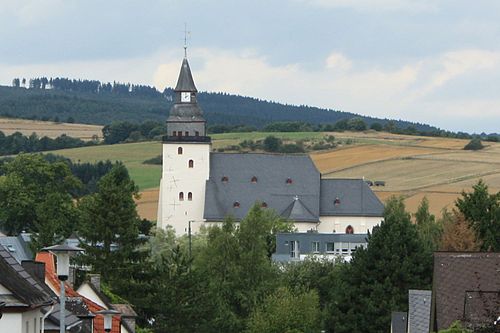
Haiger is a small town located in the state of Hesse, Germany, within the district of Siegen-Wittgenstein. Nestled in the picturesque hills of central Germany, Haiger has a population of approximately 17,000 residents. The town’s history dates back to the early Middle Ages, and it features several historical sites that reflect its rich cultural heritage. The surrounding landscape is characterized by dense forests and rolling hills, making Haiger an attractive spot for outdoor activities like hiking and cycling. The economy of Haiger has traditionally been based on manufacturing, with a particular focus on engineering and automotive industries.
The town is well-connected through a network of roads and public transport, making it easily accessible from larger cities such as Siegen and Gießen. Haiger’s local governance focuses on promoting sustainable development while retaining its historical charm. Residents and visitors can enjoy various amenities, including schools, parks, and shopping centers. Community events and festivals often take place, fostering a strong sense of local identity. The town’s proximity to natural reserves and parks, along with its manageable size, provides a balanced lifestyle for its inhabitants, blending the tranquility of rural living with the conveniences of urban accessibility. Overall, Haiger represents a harmonious blend of industrial heritage and natural beauty, contributing to its appeal as a quaint yet vibrant place to live or visit in Germany.
Facts about Haiger
- Haiger is known for its historical significance, with roots tracing back to the Roman Empire, making it a site of archaeological interest.
- The city is home to the Old Town area, which features well-preserved half-timbered houses that reflect traditional German architecture.
- Haiger hosts the annual 'Haigerer Weihnachtsmarkt', a charming Christmas market that attracts visitors from various regions with its festive atmosphere.
- The city's location at the confluence of the rivers Wetzlar and Dill gives it a unique geographical appeal and areas for recreational activities like hiking and cycling.
- Haiger is part of the Lahn-Dill-Kreis, which is renowned for its picturesque landscapes and extensive nature reserves, distinguishing it as a good destination for nature lovers.
- The former Haiger factory district showcases the city's industrial history and has been transformed into a hub for modern businesses, blending history with contemporary development.
- Haiger has a vibrant sports culture, particularly known for its local football clubs, which foster community spirit and engagement among residents.
- Historical events, such as the negotiations for the Peace of Haiger in the 17th century, highlight the city's role in Germany's broader political history.
- The presence of the Haiger Castle, although mostly in ruins today, offers a glimpse into the city's medieval past and adds to the local tourist appeal.
- Haiger is well-connected by public transport, including a direct railway line to larger cities like Frankfurt, making it easily accessible for visitors.