Hakui, Japan
- 24,529 people
- 8 places to visit
- 36.8936, 136.779
Places to Visit (8)
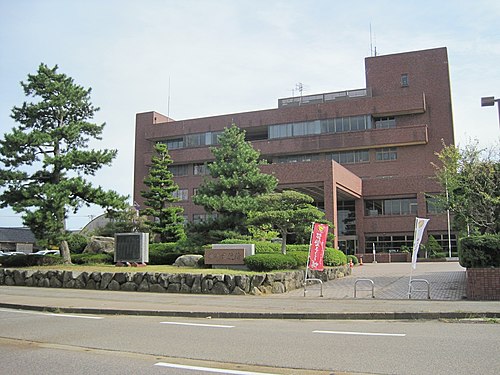
Hakui is a city located in Ishikawa Prefecture on the west coast of Japan, facing the Sea of Japan. Known for its rich cultural heritage and beautiful coastal landscapes, Hakui has a population of approximately 25,000 residents. The city's history dates back to ancient times, with archaeological evidence of human settlement suggesting that it has been inhabited since the Jomon period. Today, it is celebrated for its blend of traditional and modern Japanese culture and serves as a gateway to various natural and historical attractions.
The city is renowned for its historical sites, including the Hakui Castle ruins, which offer insights into the region’s feudal past. The nearby Noto Peninsula provides stunning views and opportunities for outdoor activities such as hiking and fishing, while the coastline is dotted with quaint fishing villages that showcase local craftsmanship, particularly in seafood and marine products. Hakui also hosts unique festivals and events, such as the annual Hakui Matsuri, which draws visitors who come to experience traditional music, dance, and food. The local cuisine is heavily influenced by the rich marine life of the surrounding seas, making seafood a significant part of Hakui’s gastronomy.
Hakui is also characterized by its commitment to preserving its natural environment and promoting sustainable tourism. The city provides access to a variety of parks and natural reserves, making it an attractive destination for eco-tourists and nature enthusiasts. Additionally, the area's rich traditions in arts and crafts, such as pottery and textiles, reflect the community's dedication to preserving its cultural identity. With its picturesque scenery, historical significance, and vibrant local culture, Hakui stands as a charming representation of Japan’s coastal towns, offering a unique blend of experiences for visitors and inhabitants alike.
Facts about Hakui
- Hakui is known for its rich history as it was once a center for the production of high-quality silk, which contributed to the local economy during the Edo period.
- The city is home to the renowned 'Hakui-Shi Onsen', a hot spring resort that attracts visitors seeking relaxation and healing properties of the mineral waters.
- Hakui has unique local cuisine offerings, including 'Hakui mikan', a variety of mandarin orange that is celebrated for its sweetness and juiciness.
- One of the city's notable landmarks is the 'Hakkai Mountain', which offers scenic views and is a popular destination for hiking and outdoor activities.
- Hakui hosts the annual 'Hakui Matsuri', a traditional festival featuring local music, dance, and various cultural performances, showcasing the city's vibrant heritage.
- The city is strategically located along the Noto Peninsula, providing easy access to the rich coastal landscapes and historical attractions of the region.
- Hakui is particularly famous for its pottery, specifically 'Wakura-yaki', which is characterized by its distinctive glazing techniques and artistic designs.
- The 'Chirihama Nagisa Driveway' nearby, a 8km stretch of beach that cars can drive on, is a unique feature not commonly found in other cities in Japan.
- Hakui's educational institutions place a strong emphasis on traditional arts and crafts, preserving skills passed down through generations.
- The city celebrates its connection to 'Hokuriku Shinkansen', the high-speed train line that enhances its accessibility, promoting tourism and economic growth.