Halifax, Canada
- 439,819 people
- 18 places to visit
- 44.6509, -63.5923
Places to Visit (18)
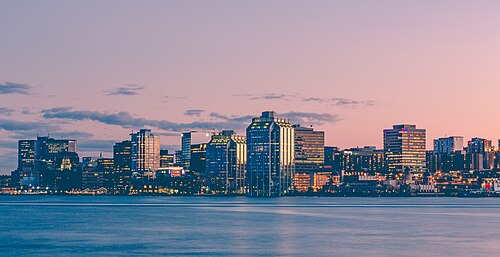
Halifax, the capital of Nova Scotia, Canada, is a vibrant city located on the eastern coast of the country. With a rich maritime heritage, Halifax has played a pivotal role in Canadian history, especially as a hub for naval and military operations. Founded in 1749, it was established by the British as a strategic military outpost. The city is built around one of the world's largest natural harbors, the Halifax Harbour, which has helped it grow into an important center for shipping, trade, and tourism. Today, Halifax is known for its picturesque waterfront, historic sites, and vibrant cultural scene, attracting visitors and residents alike.
The city's historical significance is highlighted by landmarks such as the Citadel Hill, a star-shaped fortress that overlooks the downtown area and dates back to the 18th century. The Canadian Museum of Immigration at Pier 21 offers insights into the immigration history of Canada, documenting the stories of millions who entered the country through this port. Halifax is also home to several universities, including Dalhousie University and Saint Mary’s University, contributing to its youthful and dynamic population. The city enjoys a reputation for its diverse culinary scene, lively music festivals, and numerous public parks, making it a desirable destination for both locals and tourists. Prominent events include the Halifax International Busker Festival and the Atlantic Film Festival, which showcase the region's artistic talent. Additionally, Halifax serves as a gateway to explore the wider maritime provinces, offering access to beautiful coastal landscapes, historical sites, and opportunities for outdoor activities such as hiking and whale watching.
Facts about Halifax
- Halifax is home to one of the largest natural harbors in the world, providing a key strategic position for maritime activities.
- The city is known for the historic Halifax Citadel, a star-shaped fortification that has defended the city since the 18th century and is a National Historic Site of Canada.
- Halifax was the site of the largest man-made explosion prior to the atomic bomb, known as the Halifax Explosion of 1917, which devastated the city and had significant historical implications.
- The Canadian Museum of Immigration at Pier 21 in Halifax is the only museum in Canada dedicated to the immigrant experience, and it commemorates those who arrived in Canada through this historic gateway.
- Halifax has the oldest continuously operating farmer's market in North America, established in 1750, showcasing local produce, crafts, and goods.
- The city is a key historical naval base and is home to the Canadian Forces Maritime Command, highlighting its extensive naval heritage.
- Halifax hosts the annual Nocturne Festival, a unique celebration of art and culture featuring large-scale public art installations and performances throughout the city.
- The Halifax Regional Municipality is known for its vibrant music scene, playing a major role in the development of Canadian artists across various genres, particularly in the folk and indie genres.
- The city features the famous Peggy's Cove, a picturesque coastal village known for its iconic lighthouse and stunning landscapes, drawing thousands of tourists each year.
- Halifax's waterfront is recognized as one of the best in North America, offering a blend of cultural experiences, dining, and scenic views along the Atlantic coast.