Halifax, United Kingdom
- 82,624 people
- 15 places to visit
- 53.727, -1.8575
Places to Visit (15)
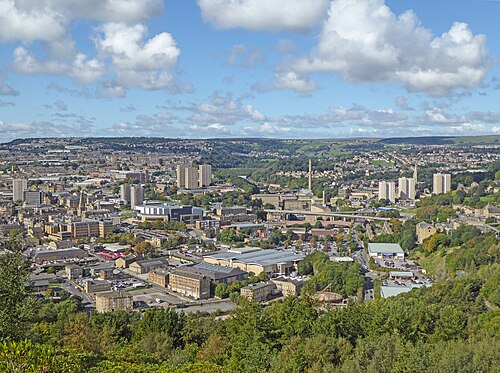
Halifax is a historic town located in West Yorkshire, England, known for its rich industrial heritage and beautiful architecture. Initially established in the 14th century, Halifax grew significantly during the Industrial Revolution, becoming a center for wool production and textile manufacturing. The town’s prosperity during this period is evident in its well-preserved Victorian buildings, including the iconic Piece Hall, constructed in 1779 as a market for handwoven textiles. Today, the Piece Hall is a vibrant cultural hub, housing shops, cafes, galleries, and event spaces that attract both locals and tourists alike.
In addition to its industrial history, Halifax is also renowned for its green spaces and surrounding natural beauty. The town sits on the edge of the Pennine hills, offering stunning views and opportunities for outdoor activities, such as hiking and cycling. The nearby Shibden Park is a popular destination for families and nature lovers, featuring a historic manor house, gardens, and a small boating lake. Halifax also has a diverse cultural scene, with several theaters, museums, and festivals that celebrate the town’s heritage and community spirit. The Bankfield Museum, for example, showcases local history and artifacts, while the annual Halifax Festival highlights arts and cultural expressions across the region.
With a population of around 90,000, Halifax combines a strong sense of community with a modern outlook. The local economy has diversified beyond textiles, embracing sectors like healthcare, education, and technology. Halifax is well connected by road and rail, providing easy access to nearby cities such as Leeds and Bradford, while also retaining its unique character and charm. The town continues to evolve, balancing its historic roots with contemporary developments, making it an attractive place to live, work, and visit.
Facts about Halifax
- Halifax is famous for its woolen textiles industry, particularly during the Industrial Revolution, and played a significant role in the development of the UK’s textile sector.
- The Piece Hall, built in 1779, was originally a marketplace for handloom weavers to sell their pieces. It is a unique architectural landmark and is one of the only remaining examples of its kind in the UK.
- Halifax was the first town in the UK to operate a ‘free money’ system in the 19th century, instigated by the Halifax Corporation to encourage local spending and commerce.
- The town is home to the impressive Halifax Minster, which dates back to the 15th century, showcasing stunning medieval architecture and significant historical features.
- The roots of the local hockey innovation can be traced back to Halifax, as the game has local origins and the town boasts a rich history in ice hockey.
- During World War II, Halifax was an important location for military operations and witnessed the tragic sinking of the RMS Atlantic in 1917, one of the deadliest maritime disasters in the North Atlantic.
- Halifax has its own bank, the Halifax Building Society, which was founded in 1853 and has become a major player in the UK’s banking sector.
- The town is known for the annual Halifax Comedy Festival, which attracts comedians and visitors from all over the UK, making it a vibrant hub for the arts.
- Shibden Hall, located in Halifax, is a historic manor dating back to the 15th century and was the home of Anne Lister, known as the 'first modern lesbian'.
- The iconic landmark Orange Lodge, known as the ‘Duke of York Lodge’, located in the center of Halifax, is a unique part of the town's cultural heritage and history.