Halle, Belgium
- 34,479 people
- 7 places to visit
- 50.7382, 4.2337
Places to Visit (7)
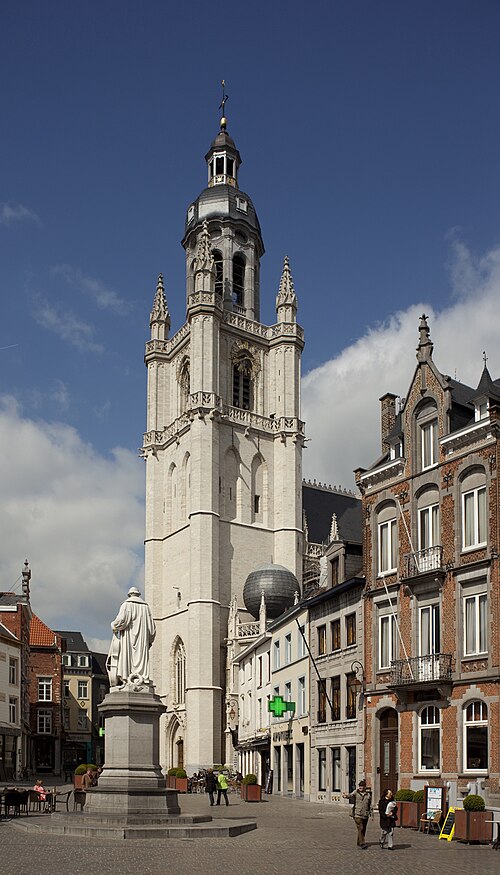
Halle is a city and municipality located in the Flemish Region of Belgium, specifically in the province of Flemish Brabant. Known for its rich history and vibrant community, Halle lies approximately 15 kilometers southeast of Brussels, making it a popular residential area for those commuting to the capital. The city has a population of around 38,000 residents, characterized by a diverse demographic and a mix of cultural influences. Its strategic location has made it an important hub throughout history, and archaeological finds in the area indicate that it has been inhabited since prehistoric times.
One notable historical landmark in Halle is the St. Martin’s Church (Sint-Martinuskirk), an impressive structure that dates back to the 14th century. The church features an iconic tower and is a prime example of Brabantine Gothic architecture. The city also boasts the Halle Forest, a large natural area that provides a recreational space for local residents and visitors alike, offering walking trails and opportunities for outdoor activities. Halle is also known for its annual event, the "Halse Dender," a celebration that features music, local products, and cultural performances, reflecting the city's contemporary community spirit.
Halle has a strong economic base, with various industries contributing to its development, including retail, services, and manufacturing. The city provides a range of facilities and amenities for its inhabitants, including schools, healthcare services, and shopping centers, promoting a high quality of life. Additionally, the city is well-connected by public transport, including trains and buses, facilitating easy access to nearby cities and the broader Flanders region. As a city that combines historical charm with modern conveniences, Halle continues to attract residents and visitors who appreciate its rich cultural heritage and dynamic atmosphere.
Facts about Halle
- Halle is famous for its unique local delicacy known as 'Halse Frituur', a popular style of fries that has distinct seasoning and preparation methods.
- The city is home to the iconic Basilica of St. Martin, a historical church known for its stunning Romanesque and Gothic architecture, which dates back to the 13th century.
- Halle has a strong association with the annual 'Halle Carnival', one of the most celebrated events in the region, featuring colorful parades and traditional costumes.
- The city was a significant site during the Wars of the Spanish Succession, with its location making it a strategic point for various military movements.
- Halle hosts the 'Halle Berry', an annual arts festival that promotes local artists and artisans, showcasing a wide range of creative works including visual arts and crafts.
- Halle is particularly recognized for the 'Halle's Gilded Geese', a local tradition that involves releasing geese into the city streets during the spring, symbolizing renewal.
- The city features the 'Kasteel van Gaasbeek', a nearby castle that dates back to the Middle Ages and offers historical tours and picturesque gardens.
- Halle is also noted for its vibrant music scene, especially the local choir traditions which are deeply rooted in the city's cultural history.
- In the realm of sports, Halle is famous for its handball teams, which have achieved significant success on both national and international levels.
- The city is well-connected to larger urban centers, making it a popular suburban area for commuters traveling to Brussels.