Halluin, France
- 20,171 people
- 5 places to visit
- 50.7828, 3.1278
Places to Visit (5)
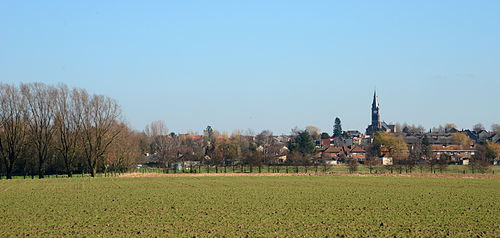
Halluin is a commune located in the Nord department in northern France, situated close to the French-Belgian border. It lies approximately 10 kilometers southwest of Lille, the capital of the Hauts-de-France region. Halluin covers an area of 5.77 square kilometers and has a population of around 17,000 residents, making it a small yet vibrant town. The commune is part of the urban area of Lille and has a rich history, with roots tracing back to the medieval period. Halluin was officially established in the 12th century and has grown over the centuries, reflecting a blend of local culture and influences from nearby Belgium.
Halluin has developed into a residential town with a diverse community, characterized by its historical architecture and modern amenities. The city showcases various public parks and recreational facilities, contributing to a high quality of life for its inhabitants. Notable landmarks include the Church of Saint-Étienne, which dates back to the 19th century, and several well-preserved houses from different architectural styles. The town hosts various events throughout the year, celebrating local customs and traditions. Furthermore, Halluin is part of an active cross-border cooperation initiative with Belgium, promoting cultural exchanges and economic collaborations. With its strategic location and rich heritage, Halluin continues to attract visitors and residents alike, fostering a unique blend of French and Flemish influences.
Facts about Halluin
- Halluin is known for its unique location on the border between France and Belgium, making it a significant spot for cross-border trade and cultural exchange.
- The town has a rich textile industry history, particularly in the production of lace, which has distinguished it from other cities in France.
- Halluin hosts the annual 'Fête de la Saint-Étienne' which celebrates local traditions, food, and music, highlighting the town's unique cultural heritage.
- The town features several historical buildings, including the neo-Gothic church, Église Saint-Hilaire, which stands out for its striking architecture.
- Halluin is home to a vibrant community that actively participates in the local market, emphasizing the importance of local produce and artisans.
- The city is part of the Lille metropolitan area, providing a blending of urban and rural lifestyles not commonly found in other small French towns.
- In Halluin, you can find the 'Maison des Jeunes' (House of Youth), which plays a pivotal role in community and cultural activities, especially for the younger population.
- During World War I, Halluin faced significant destruction and played a vital role in the logistics and transport of troops, marking its importance in the war's history.
- The town celebrates various artistic movements and has a local art scene that promotes both local and international artists, distinguishing it from more traditional French towns.
- Halluin is known for its numerous parks and green spaces, including Parc de l'Indépendance, providing residents with recreational areas that enhance community life.