Ḩalwān, Egypt
- 230,000 people
- 1 places to visit
- 29.8422, 31.3333
Places to Visit (1)
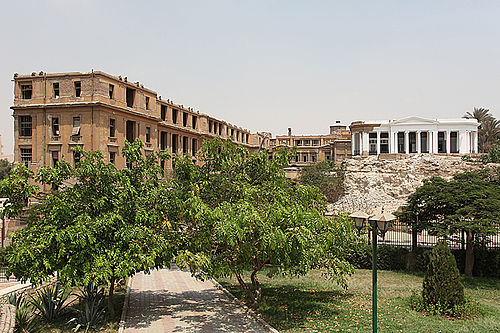
Ḩalwān is a city located in Egypt, situated to the south of Cairo, along the eastern bank of the Nile River. It is part of the Greater Cairo metropolitan area and falls under the jurisdiction of the Helwan Governorate. Historically, Ḩalwān has been known for its natural mineral springs, which have attracted visitors seeking therapeutic benefits since ancient times. The city is characterized by a mix of modern and historical architecture, with residential areas, public parks, and a variety of shops and markets catering to the needs of its diverse population.
The city's strategic location near the capital has contributed to its growth and development, making it a hub for various industries, including manufacturing and agriculture. Ḩalwān also houses several educational institutions, such as universities and colleges, enhancing its status as a center for learning. Additionally, the city is noted for its cultural heritage and has sites of interest, including historical landmarks that reflect its significance in ancient Egyptian history and its development through the centuries. The local economy is further supported by tourism, as visitors are drawn to both its historical significance and proximity to Cairo's attractions.
In recent years, Ḩalwān has faced challenges associated with urbanization, including issues related to infrastructure, housing, and transportation. Nonetheless, ongoing development projects are aimed at improving the living conditions and services in the area. The city's demographic makeup is diverse, with a predominantly Egyptian population, and it serves as a residential area for many who work in Cairo. Overall, Ḩalwān embodies a blend of rich history and modernity, making it an integral part of Egypt's urban landscape.
Facts about Ḩalwān
- Ḩalwān is known for its historical significance as an ancient settlement that dates back to the Pharaonic period, making it one of the oldest inhabited areas in Egypt.
- The city is home to the Ḩalwān Palace, built in the late 19th century, which served as a royal residence and is now a notable historical landmark.
- Ḩalwān is famous for its rich mineral springs, particularly the hot springs, which were historically believed to have therapeutic benefits and attracted visitors seeking health treatments.
- The city was a significant center for manufacturing during the 19th and 20th centuries, especially known for its potteries and ceramics, which remain a tradition in the area.
- Ḩalwān is geographically located on the banks of the Nile River, providing a scenic landscape and contributing to its historical role as a strategic location for trade and agriculture.
- The city has several archaeological sites, including remnants of ancient Roman structures that highlight its importance during different historical eras.
- Ḩalwān played a pivotal role during the 1952 Egyptian Revolution, serving as a site for various political activities and protests against British influence in Egypt.
- The city is also known for its distinctive nature reserves, including the Ḩalwān Nature Reserve, which showcases Egypt's biodiversity and provides habitats for various species of wildlife.
- Ḩalwān's local market, or souk, is famous for traditional crafts and goods, providing visitors an authentic experience of Egyptian culture and local products.
- The city has a vibrant community known for its cultural festivals and events that celebrate traditional music, dance, and cuisine, contributing to Egypt’s diverse cultural tapestry.