Hamadān, Iran
- 528,256 people
- 11 places to visit
- 34.7983, 48.5148
Places to Visit (11)
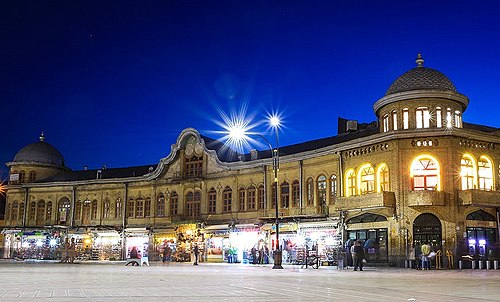
Hamadān, one of the oldest cities in Iran, is situated in the western part of the country and serves as the capital of Hamadān Province. With a history that dates back to ancient times, Hamadān is believed to have been founded over 3,000 years ago and is often associated with the ancient Median Empire, where it was known as Ecbatana. Throughout its long history, the city has been an important cultural and political center, transitioning through various empires, including the Achaemenid and the Sassanian, before becoming part of Islamic Persia. Today, Hamadān is known for its rich historical heritage, including numerous archaeological sites, monuments, and ancient architecture that reflect its storied past.
One of the city's most notable attractions is the Alavian Dome, a stunning example of Islamic architecture that dates back to the 12th century. Alongside this, the tomb of the ancient Persian poet, Baba Tahir, draws visitors who wish to pay homage to the renowned figure of Persian literature. Additionally, Hamadān serves as a gateway to the nearby Ganjnameh inscriptions, which are carved into the mountainside and commemorate the achievements of Darius the Great and Xerxes. The city's location in the Alvand mountain range makes it a popular destination for nature lovers, offering opportunities for hiking and enjoying the scenic landscapes. In contemporary Iran, Hamadān is also recognized for its production of high-quality walnuts, figs, and other agricultural products, contributing to the local economy. As a vibrant city that blends history, culture, and natural beauty, Hamadān continues to attract both local and international visitors.
Facts about Hamadān
- Hamadān is one of the oldest continuously inhabited cities in the world, with evidence of settlement dating back to ancient times.
- The city is known for its historical significance as the summer residence of the Achaemenid kings and is often associated with the legendary figure of Queen Esther from the Bible.
- Hamadān is home to the Ganjnameh inscriptions, which are ancient carvings attributed to the Achaemenid Emperor Darius I and his son Xerxes I, written in three languages: Old Persian, Elamite, and Akkadian.
- The Tomb of Avicenna, a famous Persian polymath and philosopher, is located in Hamadān, attracting scholars and tourists alike.
- Hamadān is known for its natural beauty, surrounded by the Alvand mountain range, which offers opportunities for hiking and outdoor activities.
- The city has a significant Jewish heritage, with several historical synagogues and a longstanding Jewish community, one of the oldest in Iran.
- Hamadān's traditional bazaars are renowned for local handicrafts, including carpets, pottery, and intricate metalwork unique to the region.
- The historic Alisadr Cave near Hamadān is one of the largest water caves in the world and features stunning stalactites and stalagmites, making it a popular tourist attraction.
- Hamadān's climate is characterized by hot summers and cold winters, making it distinct from many other Iranian cities known for their arid or semi-arid climates.
- The city hosts an annual festival to commemorate the Persian poet Baba Tahir, celebrating his contributions to Persian literature and culture.