Hamburg, Germany
- 1,845,229 people
- 19 places to visit
- 53.5488, 9.9872
Places to Visit (19)
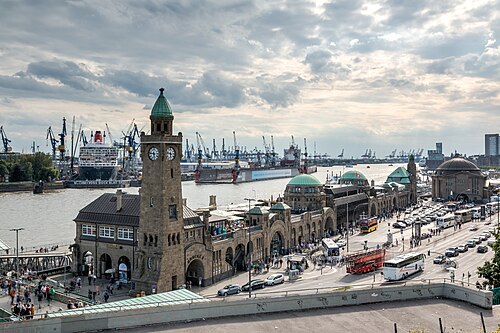
Hamburg, the second-largest city in Germany, is situated in the northern part of the country along the Elbe River. With a population of around 1.8 million, it is known for its vibrant economy, cultural diversity, and significant historical background. Established as a trading port in the 9th century, Hamburg developed into a major hub for commerce and maritime trade. The Port of Hamburg, one of the busiest in Europe, plays a crucial role in the city’s economy and serves as a vital gateway for international shipping. The city is part of the Hamburg Metropolitan Region, which is an economic powerhouse not only in Germany but also in Europe, and is renowned for its thriving industries, including shipping, aerospace, media, and information technology.
Culturally, Hamburg boasts a rich artistic scene, featuring numerous museums, theaters, and music venues. The Elbphilharmonie concert hall, an architectural marvel opened in 2017, stands as a symbol of Hamburg’s modern cultural identity. The city's historical architecture can be seen in the UNESCO World Heritage Site of Speicherstadt, a former warehouse district characterized by its red-brick buildings and intricate canal network. Hamburg is also home to the famous Reeperbahn, a vibrant entertainment area known for its nightlife, music venues, and theaters. The city celebrates its maritime heritage with events like the Hamburg Port Anniversary, attracting millions of visitors each year. With its blend of history, culture, and economic vitality, Hamburg is a dynamic city that continues to evolve while maintaining its historical significance and charm.
Facts about Hamburg
- Hamburg is home to the largest port in Germany and is one of the busiest ports in Europe, often referred to as 'Gateway to the World.'
- The Hamburg Speicherstadt, a UNESCO World Heritage Site, is the world's largest warehouse district built on timber-pile foundations, showcasing stunning red-brick architecture.
- Hamburg has its own 'miniature wonderland,' called Miniatur Wunderland, which is the largest model railway exhibition in the world, featuring incredibly detailed miniature landscapes.
- The city is known for the Reeperbahn, a famous entertainment district in St. Pauli that is considered the birthplace of The Beatles' rise to fame in the early 1960s.
- Hamburg has a unique culture of 'Brauhaus' beer halls, making it a significant player in the German beer scene, albeit with fewer beer gardens compared to Bavaria.
- With over 60 theaters and various opera houses, Hamburg is home to the second-largest opera house in Germany, the Hamburg State Opera, showcasing a vibrant performing arts scene.
- The Elbphilharmonie, a concert hall inaugurated in 2017, is an architectural marvel built atop an old warehouse and is known for its innovative design and exceptional acoustics.
- Hamburg is notable for its extensive network of canals and bridges, with more than 2,500 bridges, which is more than Venice and Amsterdam combined.
- The local dialect, Low German ('Plattdeutsch'), is commonly spoken in Hamburg, highlighting the city’s distinct cultural heritage and regional identity.
- Hamburg is the birthplace of famous figures, including the author and playwright Heinrich Heine and the physicist and Nobel laureate Wilhelm Conrad Röntgen.