Hamm, Germany
- 37,989 people
- 13 places to visit
- 51.6803, 7.8209
Places to Visit (13)
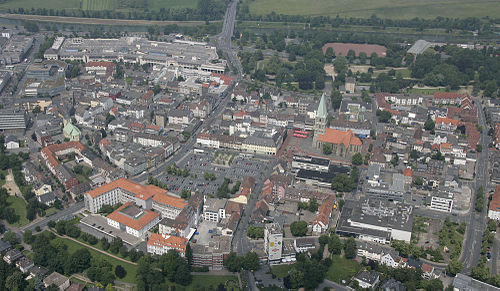
Hamm is a city located in the North Rhine-Westphalia region of Germany, positioned approximately 50 kilometers northeast of Düsseldorf and 100 kilometers northwest of Dortmund. With a population of around 180,000 inhabitants, Hamm is part of the Ruhr area, a significant industrial region in the country. The city was officially founded in the 13th century, gaining prominence in the 19th century due to the establishment of a railway junction that catalyzed its growth as a transportation hub. Hamm's urban landscape reflects its historical roots, featuring a mix of modern developments and traditional architecture, including remnants of its medieval past, such as the notable St. George's Church, which dates back to the 13th century.
Hamm is known for its cultural and recreational spaces, including the Maximilianpark, a large public park built on the site of a former coal mine. The park features a large glass dome, which houses tropical plants and is a significant attraction for both residents and visitors. The city also hosts various events and festivals throughout the year, fostering a sense of community and attracting tourism. Additionally, Hamm is a vital center for education, with institutions ranging from vocational schools to the Hamm University of Applied Sciences, offering courses in engineering, health, and social sciences. The city benefits from a well-connected public transportation system, allowing for easy access to surrounding metropolitan areas, making it an attractive place for families and professionals alike. Overall, Hamm embodies a blend of historical significance and modern urban life, contributing to its unique character within Germany's diverse cultural landscape.
Facts about Hamm
- Hamm is home to the Maximilianpark, which features the 'Glaselefant,' a large glass elephant sculpture that serves as a landmark and symbol of the park.
- The city was historically significant during the Industrial Revolution and was known for its coal and steel industries, setting it apart from many other towns in the region.
- Hamm has a unique geographical distinction as it is located at the intersection of several major transportation routes, making it a vital logistics hub in North Rhine-Westphalia.
- The city hosts the annual 'Hamm Fair,' one of the oldest fairs in the region, featuring traditional rides, games, and local food, reflecting its cultural heritage.
- Hamm is renowned for its many parks and green spaces, particularly the Antonplatz, which provides a blend of nature and recreational facilities in an urban environment.
- The Hamm Cathedral, also known as St. Paul's Cathedral, features a blend of Gothic and Baroque architectural styles and is considered a highlight of the city's historical architecture.
- Hamm is home to the largest collection of unique model trains in the world at the 'Miniatur Wunderland,' showcasing the city's rich history in railway engineering.
- The city boasts an extensive network of cycling and walking paths, distinguishing it as a pedestrian- and cyclist-friendly area compared to other urban centers in Germany.
- Hamm's proximity to the Werse River allows for diverse outdoor activities, including water sports, fishing, and cycling along the riverside, enhancing its recreational appeal.
- The city has a vibrant cultural scene, including theaters and museums, which promote local artists and host various events throughout the year, celebrating its cultural diversity.