Handa, Japan
- 116,119 people
- 13 places to visit
- 34.8918, 136.9379
Places to Visit (13)
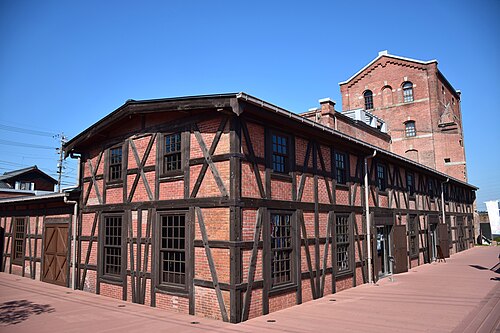
Handa is a city located in Aichi Prefecture, Japan, situated on the Chita Peninsula, approximately 30 kilometers south of Nagoya. With a population of around 60,000, Handa is known for its rich cultural heritage, traditional industries, and scenic beauty. The city’s history dates back to ancient times, and it was officially established as a city in 1954. One of Handa's most significant historical highlights is its association with the production of sake, a traditional Japanese rice wine. The city is home to numerous sake breweries, some of which have been in operation for over a century. The annual Handa Sake Festival, held every November, draws visitors and sake enthusiasts who come to sample local brews and witness traditional sake-making processes.
Apart from its sake production, Handa is recognized for its ceramics and pottery. The region has a long-standing tradition of producing Handa-yaki, a type of ceramic ware known for its quality and artistry. The local craft has contributed to the city’s identity and economy, attracting artisans and tourists alike. Natural attractions include the beautiful coastline along Mikawa Bay, where visitors can enjoy marine activities and beach-related leisure. The area is also characterized by parks and green spaces, offering residents and tourists opportunities for recreation and relaxation. The city celebrates its vibrant culture through various festivals and events throughout the year, reflecting traditional customs while fostering community engagement. Overall, Handa is a city that beautifully blends history, industry, and natural beauty, making it a noteworthy destination in Japan.
Facts about Handa
- Handa is known for its unique production of 'Handa Kizakuri,' a traditional handcrafted ceramic technique that dates back to the Edo period.
- The city is famous for the Handa Festival, held annually in early October, featuring elaborate floats and traditional performances, attracting thousands of visitors.
- Handa is home to the historic Handa Red Brick Warehouse, a preserved structure from the Meiji era that now hosts shops and cultural events.
- It is recognized for its sake breweries, with a rich history of sake production dating back to the 18th century, making it a notable region for sake tasting.
- Handa has a significant connection to the production of 'miso' and 'soy sauce,' celebrated through local festivals and culinary experiences.
- The city's name 'Handa' means 'half way' in Japanese, indicating its historical position as a resting place for travelers along trade routes.
- Handa Bay is known for its picturesque views and is a popular spot for cherry blossom viewing in spring, distinct from many other areas in Japan.
- The city is home to the Handa Museum of History, which showcases the local history and culture, including exhibits related to its maritime heritage.
- Handa possesses several public parks, such as Kamezaki Park, which features a unique blend of landscape and historical monuments, setting it apart from many urban areas.
- The Handa City Office was one of the first in Japan to implement a comprehensive bicycle-sharing program, promoting eco-friendly transport in the city.