Hanumāngarh, India
- 155,687 people
- 6 places to visit
- 29.5822, 74.3292
Places to Visit (6)
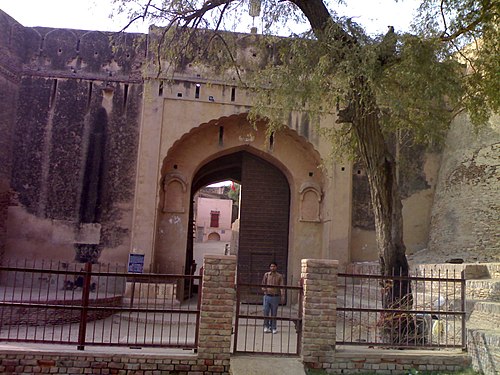
Hanumāngarh is a city located in the Hanumāngarh district of the Indian state of Rajasthan. Situated in the northwestern part of India, this city has a population of approximately 90,000 people, according to the 2011 Census. It serves as both a municipal council and the administrative headquarters of the district. The city is well-connected by road and rail, with the nearest major railway station being Hanumāngarh Junction, which is a part of the Indian Railways network. The region experiences an arid climate typical of Rajasthan, characterized by scorching summers, mild winters, and limited rainfall.
Historically, Hanumāngarh was previously known as "Bhatner" and has deep cultural and archaeological significance. The area was renowned for its Bhatner Fort, built in 1506 by a Rajput king named Bhatti. The fort showcases intricate architecture and serves as a symbol of the city's rich history, reflecting the indigenous Rajputana culture. The district has several temples and historical sites, with the Balmiki Mandir and various other religious institutions drawing visitors. Agriculture is a significant economic activity, with crops such as wheat and mustard being commonly cultivated in the surrounding areas. In recent years, Hanumāngarh has seen growth in small-scale industries and trade, contributing to its local economy and enhancing the quality of life for its residents.
Education and healthcare facilities in Hanumāngarh have also improved over the years, with schools and colleges catering to the academic needs of the population. Notable educational institutions include government colleges and various private schools, helping to promote literacy in the region. The healthcare system consists of government hospitals and private clinics that provide medical services to residents. Traditional Rajasthani cuisine, vibrant festivals, and local fairs add to the city's charm, making Hanumāngarh a unique place that combines historical significance with modern-day progress.
Facts about Hanumāngarh
- Hanumāngarh is known for its historical significance as it is home to ancient temples and structures that date back to different eras, highlighting the city's rich cultural heritage.
- The city was founded in the 18th century and derived its name from Hanuman, the Hindu deity, indicating its spiritual importance in the region.
- Hanumāngarh is renowned for its proximity to the internationally recognized wildlife sanctuary, the Kalu Bhanwra Wildlife Sanctuary, which attracts nature enthusiasts.
- The city features the Hanumāngarh Fort, an impressive structure that showcases Rajasthani architecture and offers a glimpse into the region's royal history.
- Hanumāngarh serves as an important economic hub for the surrounding agricultural areas, being a center for trade and commerce for local farmers and businesses.
- The local festivals, including Hanuman Jayanti, are celebrated with immense fervor, reflecting the city's strong cultural traditions and community spirit.
- Hanumāngarh has a diverse population, with various communities living harmoniously, contributing to the city’s vibrant cultural mix.
- The city is well-known for its handloom products, particularly textiles, which are produced using traditional methods, making it a unique shopping destination.
- Hanumāngarh’s geographical location connects it to major cities in Rajasthan, enhancing its role as a transit point for trade and travel.
- The city’s climate features extreme temperatures, making its winters pleasant, which is a distinctive aspect compared to many other regions in India.