Harar, Ethiopia
- 157,000 people
- 3 places to visit
- 9.3124, 42.1218
Places to Visit (3)
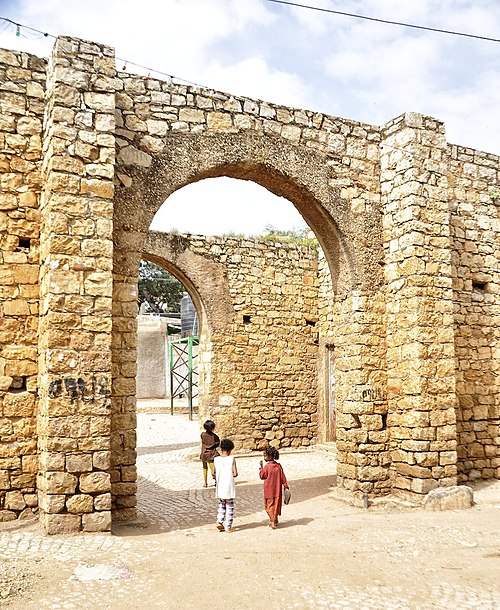
Harar, located in eastern Ethiopia, is a city steeped in history and cultural significance. Known as the fourth holiest city in Islam, Harar has a rich heritage that dates back over a millennium. It became a significant trading hub due to its strategic location along the caravan routes that connected the Arabian Peninsula to the interior of Africa. The city is enclosed by walls built in the 16th century, which still stand today, showcasing a unique blend of Islamic and Ethiopian architecture. Harar is renowned for its over 80 mosques and 102 shrines, reflecting its deep-rooted Islamic traditions.
The Old Town of Harar, a UNESCO World Heritage site, is characterized by narrow alleyways, colorful hyena men, and vibrant markets. It is home to the famous "hyena man" tradition, where local residents interact with wild hyenas, a practice that has drawn curious visitors over the years. The city is also celebrated for its diverse population, including Muslims and Christians living harmoniously. This multicultural environment contributes to Harar's unique identity, where traditional customs coexist with modern influences. Beyond its spiritual and historical significance, Harar is recognized for its production of long-quality coffee, particularly its rich-flavored Arabica beans, which have made it a crucial center in Ethiopia's coffee culture.
The climate of Harar is temperate, characterized by cool nights and moderate daytime temperatures, facilitating a bustling agricultural economy in the surrounding areas. The city is also an important educational center, with institutions such as Harar University, contributing to the broader development of the region. The blend of history, culture, and economic activity makes Harar a fascinating destination, attracting both tourists and scholars interested in exploring its unique tapestry of life. As a pivotal point in Ethiopian history, Harar continues to play a crucial role in the cultural and social fabric of the country, preserving its traditions while adapting to the challenges of modernity.
Facts about Harar
- Harar is known as the 'City of Saints' due to its rich Islamic heritage and the presence of over 80 mosques and more than 100 shrines.
- The city is home to the Harari People who have their own distinct language, culture, and cuisine, setting them apart from other ethnic groups in Ethiopia.
- Harar was recognized as a UNESCO World Heritage site in 2006 for its unique urban fabric, which includes narrow alleyways and traditional Harari houses with colorful doorways.
- Harar is famous for its unique practice of feeding hyenas, a ritual that attracts many visitors and showcases the city's deep cultural ties to wildlife.
- The city is celebrated for its rich coffee culture and is believed to be one of the original producers of the world's finest coffee beans.
- Harar has a historic wall built in the 16th century, which encircled the city and was crucial in defending it against invaders, distinguishing it from many Ethiopian towns.
- The city is the birthplace of the renowned 19th-century poet and philosopher Abubakar Adam Elmi, whose contributions to Harari literature are significant.
- The 'Harar Beer' brewery, established in 1922, is one of the oldest breweries in Ethiopia and is a key part of the city's cultural heritage.
- Harar is known for its vibrant markets, especially the 'Meskal Square,' where local handicrafts, spices, and textiles reflect the city’s diverse culture.
- The city has a unique blend of Ethiopian and Islamic culture due to its history as a center of trade and pilgrimage, setting it apart from more homogenous towns in Ethiopia.