Harare, Zimbabwe
- 1,542,813 people
- 15 places to visit
- -17.8263, 31.0504
Places to Visit (15)
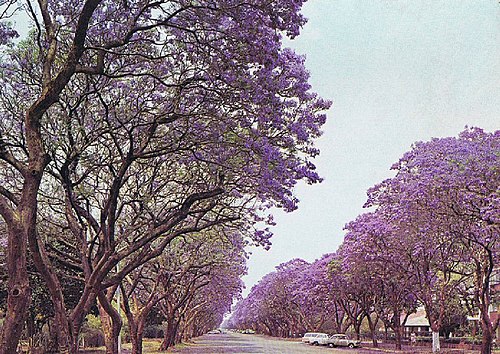
Harare, the capital and largest city of Zimbabwe, is located in the northeastern part of the country on a high plateau, approximately 1,490 meters above sea level. Established as a British colonial settlement in 1890, the city was initially named Fort Salisbury after the British Prime Minister, Lord Salisbury. It was renamed Harare in 1982, a name derived from the Shona chief Neharawa, signifying the region's rich cultural heritage. Today, Harare is not only the political and economic hub of Zimbabwe but also serves as a focal point for education, culture, and trade, with a population exceeding 1.4 million residents.
Economically, Harare is pivotal, hosting numerous industries and businesses that contribute significantly to the nation's GDP. The city houses the Zimbabwe Stock Exchange, banks, and various multinational corporations, making it a center for commerce in the region. Despite facing economic challenges consistent with Zimbabwe's broader economic struggles, such as hyperinflation and unemployment, the city remains a vital player in trade and services. Additionally, Harare boasts several parks and gardens, including the Harare Gardens and the National Botanic Garden, which showcase both indigenous and exotic flora, providing residents and visitors alike with recreational spaces amidst urban life. The city’s cultural landscape is vibrant, featuring theaters, art galleries, and museums, reflecting Zimbabwe's diverse heritage and contemporary creativity.
Educationally, Harare is home to several institutions of higher learning, including the University of Zimbabwe, which was established in 1952 and is the oldest university in the country. The city is also known for its rich history and heritage sites, such as the National Museum of Zimbabwe and the Heroes' Acre monument, which honor those who fought for the country's independence. The transportation infrastructure, including the Harare International Airport and a network of roads connecting to other regions, facilitates commerce and tourism. Overall, Harare stands as a city rich in history, culture, and potential, navigating the complexities of modern governance and economic development while striving to uphold its legacy.
Facts about Harare
- Harare is the capital and largest city of Zimbabwe, making it the political and economic center of the country.
- The city hosts the Harare International Festival of the Arts (HIFA), one of the largest arts festivals in Africa, showcasing local and international talent.
- Harare is home to the National Gallery of Zimbabwe, which features an extensive collection of contemporary African art.
- The historic Harare Gardens, established in the early 1900s, serves as a prominent green space and venue for public events in the city.
- Harare's iconic landmark, the Joina City building, is one of the tallest structures in Zimbabwe and represents modern urban development in the city.
- The city's location on a high plateau at 1,490 meters (4,890 feet) above sea level gives it a unique climate characterized by mild temperatures compared to other regions of Zimbabwe.
- Harare is known for its diverse cultural scene, including various theatres, galleries, and performance spaces that celebrate Zimbabwean heritage.
- The city played a significant role in Zimbabwe's liberation struggle, and several monuments and sites commemorate this historical significance.
- Harare has one of the largest markets in Zimbabwe, Mbare Musika, known for its vibrant atmosphere and offering a wide variety of goods, from produce to crafts.
- The Zambezi River, one of Africa's major rivers, does not flow through Harare, distinguishing its geographical features from many other cities in the country that are located near river systems.