Harbin, China
- 5,242,897 people
- 16 places to visit
- 45.7567, 126.6424
Places to Visit (16)
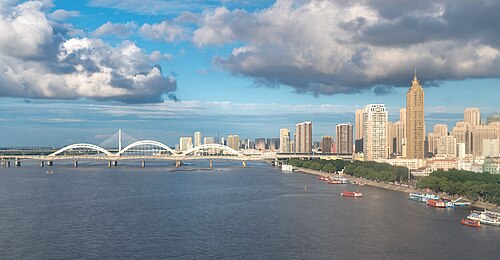
Harbin, the capital of Heilongjiang Province in northeastern China, is renowned for its rich history, diverse culture, and especially its frigid winters. Founded in the late 19th century, the city emerged as a significant urban center following the construction of the Chinese Eastern Railway, which connected it to the Russian Empire and other parts of China. This historical connection has fostered a unique blend of Russian and Chinese influences in Harbin's architecture, cuisine, and overall culture. The city is often referred to as "China's Ice City" due to its subarctic climate, leading to average winter temperatures that can plummet to -20 degrees Celsius (-4 degrees Fahrenheit) or lower.
One of Harbin's most famous annual events is the Harbin International Ice and Snow Sculpture Festival, which typically begins in early January and lasts for a month. This festival attracts millions of visitors each year, showcasing incredible ice and snow sculptures, many of which are illuminated at night with colorful LED lights. Landmarks like St. Sophia Cathedral, an architectural marvel built in the early 20th century, reflect the city's rich multicultural heritage. The city's central area is alive with a blend of modern developments and preserved historical sites, creating a fascinating tapestry of old and new. Additionally, Harbin is celebrated for its lively nightlife and culinary scene, featuring local dishes that highlight its Northern Chinese roots, including hearty dumplings and flavorful hot pot. Overall, Harbin stands as a pivotal cultural and historical hub in China, offering unique experiences that reflect its diverse influences and climatic wonders.
Facts about Harbin
- Harbin is known as the 'Ice City' due to its harsh winters and the annual Harbin International Ice and Snow Sculpture Festival, one of the largest ice festivals in the world.
- The city features unique Russian architectural styles, largely a result of its history as a hub for Russian expatriates in the late 19th and early 20th centuries, exemplified by the Saint Sophia Cathedral.
- Harbin is home to the Harbin Beer, one of the oldest breweries in China, established in 1900, and it plays a significant role in the local culture and economy.
- The city is a major cultural center for Chinese and Russian influences, reflected in its food, festivals, and art, making it stand out from other cities in China.
- Harbin hosts the annual Harbin Ice Lantern Festival, where intricately carved ice lanterns light up the night, attracting tourists from all over the world.
- The Siberian Tiger Park in Harbin is the largest breeding ground for Siberian tigers in the world, focusing on conservation and protection of this endangered species.
- Harbin has been a significant rail transport hub since the completion of the Chinese Eastern Railway in the early 1900s, linking China with Russia and influencing the region's development.
- The city's climate is characterized by severe winters with temperatures dropping as low as -30°C (-22°F), making it one of China's coldest cities and offering unique winter tourism opportunities.
- Harbin is known for its vibrant music and arts scene, including the Harbin Summer Music Concert and various cultural festivals, which showcase both traditional Chinese and international performances.
- The annual Harbin International Beer Festival, held during the summer, is one of the largest beer festivals in Asia, celebrating the beverage's global culture and attracting visitors from around the world.