Hashimoto, Japan
- 61,063 people
- 34.3147, 135.6054
No places available for this city.
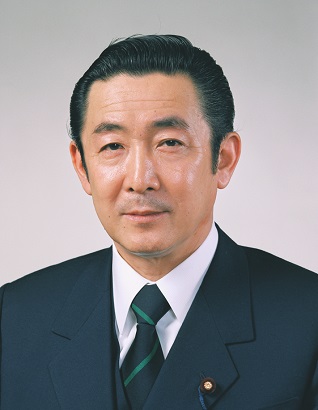
Hashimoto is a city located in the Kanagawa Prefecture of Japan, situated in the hilly and scenic landscape of the Tanzawa Mountains. It is part of the Greater Tokyo Area and is approximately 50 kilometers southwest of central Tokyo. Established as a city in 2006 following the merger of several smaller municipalities, Hashimoto has a rich cultural heritage and a vibrant local community. The city is known for its beautiful natural surroundings, offering an abundance of outdoor activities such as hiking and cycling. The nearby Sagami River provides additional recreational opportunities, attracting visitors to its banks for picnicking and fishing.
Economically, Hashimoto is a blend of traditional and modern industries. Agriculture plays a significant role, with local farms producing a variety of crops, including rice and vegetables, which add to the region's identity. In addition to agriculture, the city has witnessed growth in its manufacturing and service sectors, making it a well-rounded economic hub. Culturally, Hashimoto hosts various festivals and events throughout the year, reflecting its history and community spirit. It is also home to historic sites, such as the Kaiko-ji Temple, which exemplify the city's deep-rooted cultural traditions. With convenient access to major urban centers and a picturesque environment, Hashimoto serves as both a residential area and an attractive destination for those seeking to experience traditional Japanese culture alongside modern living.
Facts about Hashimoto
- Hashimoto is known for its beautiful natural scenery, including the flowing Kinokawa River and the surrounding mountains, making it a popular destination for outdoor activities.
- The city has a rich historical background, being part of the ancient province of Kii, which was significant during the Edo period.
- Hashimoto is famous for its production of high-quality washi paper, a traditional Japanese craft that has been practiced in the area for centuries.
- The city hosts the famous Hashimoto Festival, which features traditional parades, performances, and local cuisine, reflecting the culture of the region.
- Hashimoto was designated as a city in 1954 and has a strong local community that emphasizes preserving its cultural heritage while embracing modernization.
- One of the main attractions in Hashimoto is the Munetada Shrine, which is dedicated to the deity of martial arts and has a history dating back to the 8th century.
- Hashimoto has a well-developed transportation network, including access to the Nankai Electric Railway, which connects it to larger metropolitan areas, enhancing its appeal for commuters.
- The city is known for its hot springs, particularly in the vicinity of the mountain areas, providing relaxing retreats and wellness centers to locals and visitors alike.
- Hashimoto has produced several notable figures in the arts and sports, contributing to its reputation beyond its geographical area.
- The city's unique combination of urban living and proximity to nature sets it apart from other larger cities in Japan, providing a peaceful lifestyle while being easily accessible.