Haßloch, Germany
- 20,779 people
- 3 places to visit
- 49.361, 8.2578
Places to Visit (3)
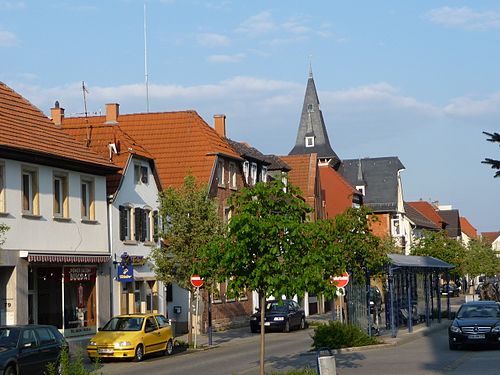
Haßloch is a municipality located in the Rhineland-Palatinate state of Germany, approximately 25 kilometers southwest of Frankfurt. Situated in the district of Bad Dürkheim, it has a population of around 20,000 residents. The town is often noted for its strategic location, which provides easy access to nearby cities, including Ludwigshafen and Mannheim. Founded in the early medieval period, Haßloch's name is derived from the German words for "thorn bush" (Hass) and "lake" (Loch). The community has a rich agricultural heritage, and while it has transformed over the years, it maintains a blend of rural charm and suburban living.
Haßloch features a variety of amenities and cultural sites that serve both residents and visitors. The town is home to several parks, schools, and local businesses, contributing to a vibrant community atmosphere. Notably, Haßloch has gained recognition for its innovative initiatives in urban development and social services, particularly its focus on participatory planning processes that engage local citizens. Recreational opportunities abound, with numerous sports clubs and facilities that cater to diverse interests. The presence of nearby vineyards reflects the region's winemaking tradition, with local wineries and festivals celebrating this heritage. Additionally, Haßloch's efficient transport links, including access to the A65 motorway and public rail connections, make it an attractive location for commuters and travelers alike.
In summary, Haßloch exemplifies a dynamic blend of tradition and modernity within a picturesque setting. Its community-driven approach to development and quality of life enhancements has fostered an appealing environment for both residents and visitors. The town's agricultural roots, combined with its suburban growth, make Haßloch a noteworthy example of rural-urban integration in contemporary Germany.
Facts about Haßloch
- Haßloch is known for being the birthplace of the modern concept of 'appartement living', which has influenced residential architecture in Germany.
- The town has a unique demographic and housing study, which led to its use as a testing ground for the German housing market and urban planning.
- Haßloch is famous for its annual 'Wurstmarkt', one of the largest wine fairs in the region, attracting thousands of visitors each year.
- This town has a reputation as a 'social laboratory' for various social and urban development projects, including its innovative approach to community services.
- In 2015, Haßloch was recognized for its implementation of the 'smart city' initiative, incorporating modern technology for better urban living.
- Haßloch is home to the largest wine cooperative in Germany, showcasing the rich viticultural traditions of the Rhine region.
- Unlike many other towns, Haßloch has no formal town center or market square, which reflects its unique urban planning approach.
- The town was part of the historical landscape of the Palatinate region and has roots dating back to Roman times.
- Haßloch is located close to the border of the Palatinate Forest, a UNESCO Biosphere Reserve offering extensive outdoor activities and wildlife.
- It serves as a key transport hub in the Palatinate region with direct rail links to major cities like Mannheim and Ludwigshafen.