Hāthras, India
- 126,882 people
- 5 places to visit
- 27.5981, 78.0492
Places to Visit (5)
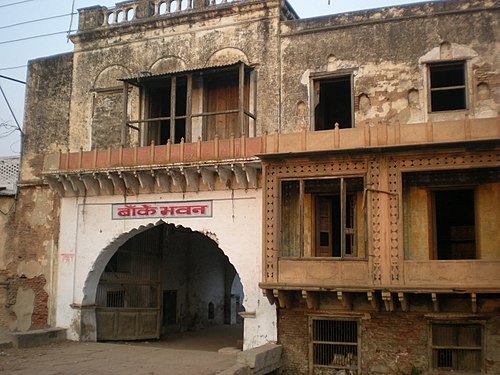
Hāthras is a city located in the northern Indian state of Uttar Pradesh. It serves as the administrative headquarters of the Hāthras District. Positioned approximately 200 kilometers west of the state capital, Lucknow, and about 50 kilometers from Delhi, Hāthras is well-connected by road and rail. The city is historically significant and has a rich cultural heritage, marked by its ancient temples, historical structures, and the nearby remains of the erstwhile Rajputana and Mughal influence reflected in its architecture.
Hāthras is known for its agricultural products, particularly sugarcane, potatoes, and various fruits and vegetables, contributing to the local economy. The city's population is diverse, reflecting a blend of various communities and cultures, which have coexisted for centuries. The local economy is also supplemented by small-scale industries and cottage-level businesses. The region is characterized by a predominantly rural setting; however, urbanization has been gradually increasing. Education has been a focus for the city, with several schools and colleges catering to the educational needs of students in both urban and rural areas.
Despite its rich cultural history, Hāthras has also been in the news for various socio-political issues, drawing attention to the challenges that regions in India face regarding gender discrimination and social justice. The city continues to evolve, balancing modernization with its historical roots, as it plays a significant role in the sociocultural tapestry of Uttar Pradesh. Hāthras is emblematic of the broader dynamics at play in Indian society, showcasing both its potential and the ongoing struggles that define modern India.
Facts about Hāthras
- Hāthras is known for its production of high-quality blue pottery, which is a traditional craft that has been passed down through generations.
- The city has historical significance due to its connection with the life of the 16th-century poet-saint Surdas, who is celebrated for his devotional songs dedicated to Lord Krishna.
- Hāthras is home to the famous Bansal family, who are renowned for their contributions to Indian literature and culture, including authors and social reformers.
- The town played a crucial role during India's struggle for independence, particularly in the 1857 uprising against British rule, which marked the first major revolt in India.
- Hāthras hosts the annual 'Hāthras Mahotsav,' a cultural festival that showcases local arts, crafts, music, and dance, attracting visitors from across the region.
- The city is strategically located near the historical sites of Agra and Mathura, making it an important junction for tourists exploring the rich heritage of Uttar Pradesh.
- Hāthras is known for its educational institutions, including several well-regarded colleges and schools that promote quality learning, particularly in rural areas.
- The area around Hāthras is noted for its agricultural production, especially in crops such as opium and wheat, which are vital to the local economy.
- Hāthras is also recognized for its diverse wildlife and is close to several protected areas, contributing to India's efforts in biodiversity conservation.
- The city has a unique blend of traditional and modern influences, with numerous temples, historic monuments, and contemporary developments coexisting.