Havana, Cuba
- 2,163,824 people
- 16 places to visit
- 23.1136, -82.3666
Places to Visit (16)
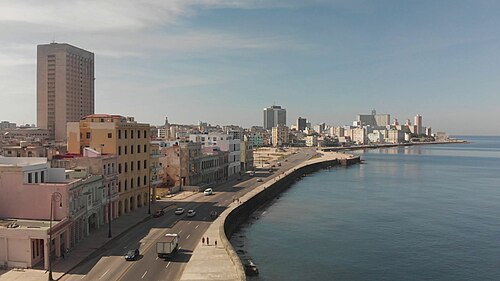
Havana, the capital city of Cuba, is located on the northwestern coast of the island along the Gulf of Mexico. Founded in 1519 by Spanish explorer Diego Velázquez de Cuéllar, Havana has been a vital port and cultural hub for centuries. Its strategic location made it an important stop for trade routes between Spain and the Americas, contributing to its rich historical and architectural heritage. The city's Old Town, or La Habana Vieja, is a UNESCO World Heritage Site characterized by its colonial buildings, narrow streets, and historical landmarks, including the iconic Castillo del Morro and the Cathedral of Havana. The area is bursting with vibrant plazas, bustling markets, and lively street art, reflecting the city's dynamic culture.
Havana is known for its unique blend of cultures, showcasing a mix of Spanish colonial influences, African heritage, and indigenous traditions. The population is predominantly Hispanic, with significant contributions from Afro-Cuban communities. The city is famous for its music and dance, particularly son, salsa, and rumba, which are integral to Havana's vibrant nightlife. Landmarks like the Buena Vista Social Club have celebrated this musical heritage globally. In addition to music, Havana's culinary scene combines traditional Cuban flavors with international influences, offering everything from street food to high-end dining experiences. Despite facing economic challenges, including those exacerbated by the U.S. trade embargo, Havana remains a city of resilience and creativity, attracting tourists with its historic charm, artistic expressions, and the warmth of its people. As Cuba continues to evolve, Havana stands as a testament to its rich past while nurturing hopes for a progressive future.
Facts about Havana
- Havana is the capital city of Cuba and serves as its political, cultural, and economic center.
- The historic center of Havana, known as Habana Vieja, is a UNESCO World Heritage site and is famous for its well-preserved Spanish colonial architecture.
- Havana is home to the world's oldest operating fortress, Castillo del Morro, which has guarded the entrance to Havana Bay since the late 16th century.
- The city features the iconic Malecón, a seawall and broad walk that stretches for several kilometers along the coast, popular for both locals and tourists.
- Havana is known for its vibrant arts scene, hosting numerous festivals such as the Havana International Jazz Festival and the Havana Film Festival.
- The famous Buena Vista Social Club, which popularized Cuban music worldwide, originated from Havana, highlighting the city's rich musical heritage.
- Havana boasts a unique mix of classic American cars from the 1950s, many of which are still in use today, giving the city a nostalgic atmosphere.
- The Capitolio building in Havana, inspired by the U.S. Capitol, was completed in 1929 and is one of the city's most recognizable landmarks.
- Havana is one of the few cities in the world that has a completely restored and functioning vintage tram system, enhancing its public transportation.
- The Tropicana Club in Havana is one of the most famous cabarets in the world, known for its extravagant performances and rich history dating back to 1939.