Haydock, United Kingdom
- 17,333 people
- 12 places to visit
- 53.4676, -2.6849
Places to Visit (12)
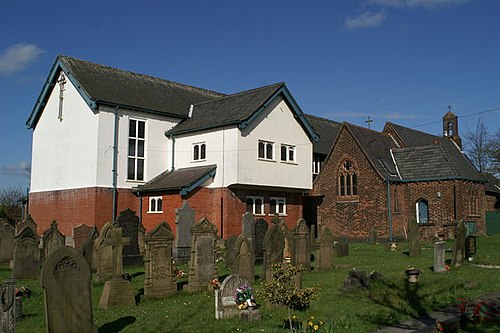
Haydock is a village located in Merseyside, England, situated within the metropolitan borough of St Helens. Positioned approximately 5 miles east of Liverpool and 10 miles west of Manchester, Haydock has a strategic location that connects it to several major transportation routes, including the M62 motorway, making it accessible for both residents and visitors. The village is primarily residential, with a blend of historical and modern features, reflecting its development over the years. It is predominantly served by the A580 East Lancashire Road, which runs nearby, facilitating movement between major urban centers.
Historically, Haydock was known for its coal mining, with the local economy thriving during the 19th century due to the industrial revolution. Although coal mining has since ceased, remnants of its industrial past can still be seen in the architectural landscape and local heritage. Haydock is also recognized for its notable landmarks, including the Haydock Park Racecourse, which was established in 1899 and has become a prominent venue for horse racing events. The racecourse attracts both local and national visitors, contributing to the village's identity as a focal point for leisure and recreation.
The community in Haydock retains a small-town feel while benefiting from nearby urban amenities. Local schools, parks, and community centers provide residents with various recreational opportunities. The village also features several shops, pubs, and restaurants that cater to diverse tastes. Haydock's involvement in promoting local culture is visible through community events and festivals, fostering a sense of belonging among its residents. With its mix of historical significance and modern conveniences, Haydock continues to be a vibrant part of Merseyside's cultural tapestry.
Facts about Haydock
- Haydock is known for its historical significance in the coal mining industry, with several collieries operating in the area until the mid-20th century.
- The Haydock Park Racecourse, established in 1899, is a notable venue for horse racing and has hosted several prestigious events over the years.
- The town has a rich religious heritage, with landmarks such as the St. Mary’s Church, which dates back to the 19th century and features stunning stained glass windows.
- Haydock is home to a variety of green spaces, including the landscaped Haydock Park and nearby parkland, providing a contrast to the urban areas typical of many UK towns.
- The town boasts the historic Haydock Lodge, a Grade II listed building that offers insight into the architectural style of the 18th century.
- Haydock's industrial roots can be traced back to its role in the Mersey and Irwell trade routes, making it an important hub during the industrial revolution.
- The town has a unique transportation link with the Haydock railway station, enhancing its connectivity with nearby major cities such as Manchester and Liverpool.
- Local events, such as the annual Haydock Show, celebrate the agricultural heritage and community spirit, distinguishing the town with its focus on local produce and crafts.
- In terms of sports, Haydock has a strong rugby culture, hosting several clubs that participate in regional leagues, which sets it apart from many neighboring towns.
- Haydock's proximity to major motorways, particularly the M6, makes it a strategic location for trade and commuting, differing from the less accessible rural locations typical of some other areas.