Hebburn, United Kingdom
- 18,808 people
- 17 places to visit
- 54.9723, -1.522
Places to Visit (17)
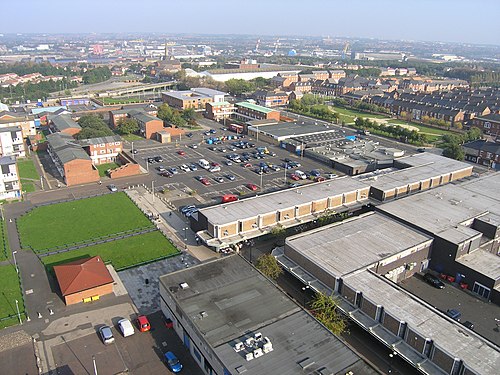
Hebburn is a town located in the metropolitan borough of South Tyneside in Tyne and Wear, England. Situated on the southern bank of the River Tyne, it is approximately four miles east of Newcastle upon Tyne. Historically part of County Durham, Hebburn was heavily influenced by the industrial revolution, particularly through its shipbuilding and coal mining industries. The town’s growth accelerated in the 19th century due to its strategic location along the river, which provided a vital transportation route for raw materials and finished goods. The Hebburn shipyard, established in the mid-1800s, became one of the largest and most significant in the region, contributing to the development of the local economy and the rise of its population.
Over the years, Hebburn has transformed from an industrial center to a more diversified economy, where service and retail sectors have become increasingly important. The town is home to several notable landmarks, including St. John's Church, built in 1841, which is a key feature of its architectural heritage. Modern developments include shopping areas and recreational facilities, catering to the community's needs. Hebburn also boasts several parks and green spaces, enhancing the quality of life for residents. The town’s cultural identity is enriched by various community events and festivals that take place throughout the year, reflecting the local traditions and community spirit.
Hebburn is well-connected via public transport, with metro services linking it to Newcastle and South Shields, making it an attractive place for commuters. The town's demographics reflect a diverse population, with a mixture of long-term residents and newcomers fostering a vibrant community atmosphere. Education is served by a range of primary and secondary schools, contributing to the development of local children. Parks and community centers aim to promote a healthy lifestyle among residents, while local sports clubs provide opportunities for recreation and engagement. Overall, Hebburn combines its rich historical roots with contemporary developments, creating a unique blend that appeals to both residents and visitors alike.
Facts about Hebburn
- Hebburn is historically known for its shipbuilding industry, particularly during the late 19th and early 20th centuries, contributing to the legacy of the Tyne shipyards.
- The town is the birthplace of the famous Victorian scientist and inventor, Joseph Swan, who is credited with developing the first incandescent light bulb.
- Hebburn is home to St. John the Evangelist Church, which features a distinctive Byzantine-style dome, making it a unique architectural landmark in the area.
- The town boasts a significant industrial heritage, represented by the Hebburn Quay, a historic dock that played a vital role in maritime trade.
- Hebburn has an annual event known as the 'Hebburn Festival,' which celebrates local culture, arts, and history, featuring community activities and performances.
- The town's riverside area along the River Tyne provides picturesque walking paths and views, distinguishing it as a scenic spot compared to other industrial towns.
- Hebburn is part of the metropolitan borough of South Tyneside, which is known for its commitment to community-led regeneration projects.
- The town is home to a variety of parks and green spaces, including the well-maintained Hebburn Central Park, offering recreational opportunities and tranquility.
- Hebburn has a strong sports culture, with local teams competing in various sports, particularly football and amateur athletics, fostering community spirit.
- The town's proximity to Newcastle upon Tyne provides residents with easy access to the cultural offerings of a larger city while maintaining its own community identity.