Hebi, China
- 634,721 people
- 1 places to visit
- 35.8992, 114.1925
Places to Visit (1)
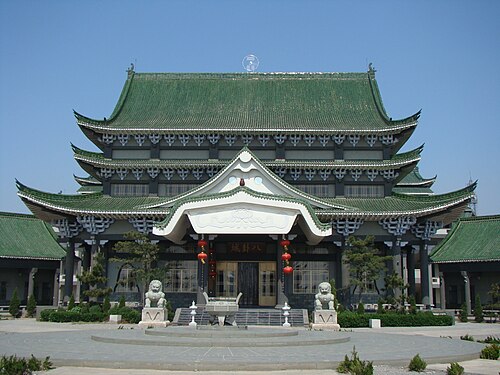
Hebi is a city located in the northeastern part of Henan Province in central China. It covers an area of approximately 2,000 square kilometers and has a population of around 400,000 residents, making it a mid-sized urban center in the region. Hebi is bordered by Anyang to the north and Xinxiang to the south, with its geographical coordinates placing it at an important crossroads of several transportation routes. The city lies along the Luohe River, which has historically contributed to its agricultural development, and benefits from a temperate climate conducive to farming.
Historically, Hebi was established in ancient times, with records dating back to over 2,000 years. It has undergone various phases of development, transitioning from a traditional agricultural area to a more industrialized urban center. The city gained significant recognition during the Ming and Qing dynasties when it served as a vital trade hub due to its proximity to important routes. In contemporary times, Hebi’s economy is diverse, with key sectors including coal mining, metallurgy, and agriculture. The city is also known for its coal resources, which have facilitated industrial growth and attracted investment. Additionally, Hebi places importance on cultural heritage, featuring historical sites, parks, and museums that reflect its rich history.
Hebi is well-equipped with infrastructure, including roads, railways, and public transportation systems, enabling connectivity with surrounding cities and provinces. The local government has emphasized urban development and modernization in recent years, focusing on improving living conditions and public services for its residents. Environmental sustainability has also become a priority, as Hebi strives to balance industrial growth with ecological considerations. The city serves as an important example of the broader patterns of urbanization in China and continues to adapt to the opportunities and challenges of the 21st century.
Facts about Hebi
- Hebi is known for its rich coal resources, which are a significant part of its economy and contribute to its industrial output.
- The city is home to the famous 'Xiangshan Mountain', which is a popular cultural and historical site, offering beautiful scenery and hiking opportunities.
- Hebi was historically a strategic military site during various dynasties, which is reflected in its ancient architecture and sites.
- The city has a distinct cultural heritage, including traditional folk arts such as 'Hebi Clay Sculpture', which is recognized for its intricate designs.
- Hebi hosts the annual 'Hebi Coal and Energy Exposition', attracting industry professionals from all over China to discuss energy innovations.
- The city is officially recognized as a 'Garden City' due to its extensive urban greenery and environmental initiatives that promote sustainable development.
- Hebi has a significant educational presence, with several key universities and research institutions focused on energy and environmental studies.
- The city is part of the 'Central Plains Economic Zone', which is important for the regional economic development of Henan Province.
- Hebi is known for its historical sites, including the 'Ming and Qing Dynasties' architecture that can be found throughout the city.
- The local cuisine features unique dishes that reflect the flavors of Henan, with specialties such as 'Hebi Steamed Buns' being among the most popular.