Hebron, Palestine
- 160,470 people
- 3 places to visit
- 31.5326, 35.0998
Places to Visit (3)
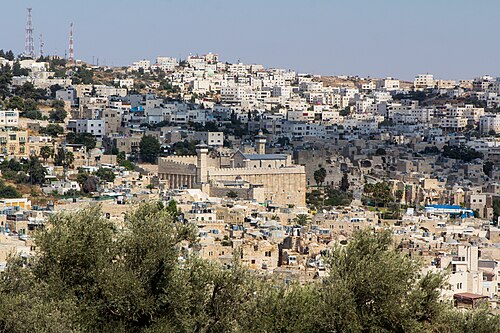
Hebron, located in the southern West Bank, is one of the most significant cities in Palestine, both historically and religiously. Renowned for its deep historical roots, Hebron dates back thousands of years and is often cited in religious texts, making it a focal point for Judaism, Christianity, and Islam. It is home to the Cave of the Patriarchs, or Ibrahimi Mosque, which is believed to be the burial site of the biblical figures Abraham, Isaac, Jacob, and their wives. This site is revered by three major religions, contributing to its prominence and creating a complex socio-political environment shaped by a long history of conflict and coexistence.
The city has a predominantly Palestinian population, which has faced significant challenges due to ongoing Israeli-Palestinian tensions. Hebron is notable for its division into areas under differing levels of Palestinian and Israeli control, particularly following the Oslo Accords in the 1990s. The Old Town of Hebron, a UNESCO World Heritage site, is characterized by its ancient architecture and vibrant souks (markets), though it has also become an area of friction due to the presence of Israeli settlers and military personnel. These dynamics lead to frequent confrontations, impacting daily life for the Palestinian residents. Despite the challenges, Hebron remains a city rich in culture and heritage, symbolizing resilience amid adversity. Its significance is underlined by its cultural landmarks, such as the old souk, traditional crafts, and agricultural products, which highlight the city's enduring historical legacy and the vibrant community that persists there today.
Facts about Hebron
- Hebron is one of the oldest continuously inhabited cities in the world, with settlement dating back over 4,000 years.
- The city is home to the Cave of the Patriarchs (Ibrahimi Mosque), which is considered a sacred site for Jews, Christians, and Muslims, believed to be the burial place of Abraham, Isaac, Jacob, and their wives.
- Hebron's economy has been historically centered around the production of glass and ceramics, making it famous for its artisan crafts.
- Unlike many Palestinian cities, Hebron has a significant Israeli settlement presence within its city limits, leading to complex political and social dynamics.
- Hebron is the site of the 1929 Hebron massacre, a tragic event that resulted in the killing of dozens of Jews by Arab rioters, which significantly affected the demographic and community structure of the city.
- The city is known for its unique Hebron glass, a type of glass ornament that is handcrafted and painted by artisans, making it a significant cultural product.
- Hebron's old city features traditional souks (markets) and is a UNESCO World Heritage Site, recognized for its cultural significance.
- Hebron has a distinct agricultural sector, renowned for its production of high-quality grapes and good quality wines.
- The city possesses a rich Islamic heritage, with numerous mosques and religious schools, illustrating its historical significance in Islamic history.
- Hebron has been a focal point for various peace and reconciliation efforts, showcasing its importance in the broader Israeli-Palestinian conflict.