Heerlen, Netherlands
- 93,084 people
- 13 places to visit
- 50.886, 5.9804
Places to Visit (13)
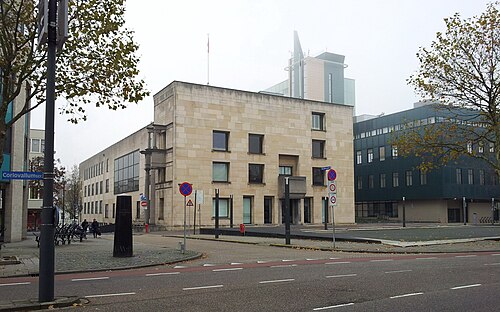
Heerlen is a city located in the province of Limburg in the southeastern Netherlands. As part of the municipality of Heerlen, it serves as a pivotal urban center in the region, boasting a rich history that dates back to Roman times. This heritage is reflected in the many archaeological finds, such as remnants of Roman baths and ancient road networks. The city developed rapidly during the 19th century due to the coal mining industry, which significantly shaped its economy and demographics. The closure of the mines in the late 20th century marked a turning point for Heerlen, prompting a transition toward services and technology-driven industries. Today, Heerlen is known for its vibrant cultural scene and is home to various educational institutions, community organizations, and a diverse population.
In terms of urban development, Heerlen has embraced modernization while preserving its historical landmarks. The city center features an array of shops, cafes, and cultural venues, including the Theater Heerlen, which hosts performances and events that engage the local community. Notable architectural sites include the modernist St. Pancratius Church and the historical Willibrorduskerk, showcasing a blend of old and contemporary design. Heerlen also participates in numerous initiatives geared toward sustainable city planning and urban renewal, enhancing green spaces and improving public transportation options. The city's strategic location near the borders with Germany and Belgium positions it as a significant logistical hub, facilitating cross-border trade and tourism. As a result, Heerlen continues to evolve, balancing its historical identity with the demands of a modern urban environment.
Facts about Heerlen
- Heerlen was one of the first cities in the Netherlands to be electrified; its electric streetlight system was established in 1886.
- The city is known for its significant role in the coal mining industry during the 20th century, which heavily influenced its development and economy.
- Heerlen is home to the impressive Thermen Museum, which features archaeological finds from the Roman era, showcasing the city’s ancient history.
- The municipality boasts a unique blend of modernism and post-war architecture, with structures like the 'Glaspaleis', a glass palace completed in 1974, designed by architect Frits Peutz.
- Heerlen hosts the annual 'Magisch Maastricht' festival which celebrates the international culture, arts, and music, making it a vibrant cultural hub.
- The city has a significant underground culture with extensive tunnels and old mining shafts that are sometimes used for art installations and cultural events.
- Heerlen is part of the larger Parkstad Limburg region, which is known for its collaborative cultural initiatives among several neighboring towns.
- The city established the first Dutch version of the 'Kunst in de Klas' program, promoting art education in schools as early as the 1970s.
- Heerlen is strategically located near the borders of Germany and Belgium, making it a crossroads for international trade and culture.
- The city's motto, 'De stad waar het goed is', translates to 'The city where it is good', reflecting its commitment to community and quality of life.