Heide, Germany
- 20,599 people
- 9 places to visit
- 54.1952, 9.1019
Places to Visit (9)
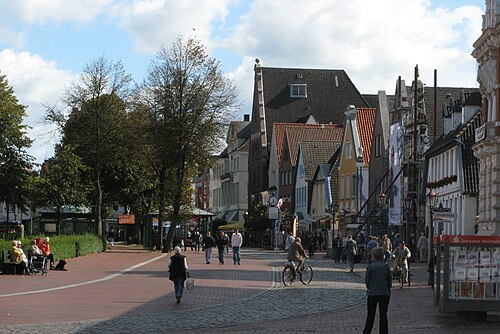
Heide is a charming town located in the northern part of Germany, specifically in the state of Schleswig-Holstein. Known for its historical significance and picturesque landscapes, Heide serves as the administrative center of the district of Dithmarschen. The town was first documented in 1232 and has since developed into a vital agricultural and commercial hub. With a population of around 17,000 residents, Heide maintains a small-town atmosphere while offering various amenities and services. Its economy is primarily driven by agriculture, particularly dairy farming and crop production, alongside commercial enterprises that cater to the local community.
A notable feature of Heide is its weekly market, which takes place every Tuesday and Saturday in the town square. This market is one of the largest in Northern Germany and attracts visitors from surrounding areas, offering fresh produce, flowers, handicrafts, and local delicacies. Heide is also home to several historic landmarks, including the St. John's Church (Johanneskirche), built in the 14th century, and the old market square with its traditional bricks and timber-framed houses. The town's cultural life is enriched by events such as the annual Heide Flower Festival, which celebrates the region's horticultural tradition and draws tourists from far and wide.
In addition to its agricultural roots, Heide serves as a gateway to the scenic landscapes of the North Sea. The nearby town of Büsum, famous for its beach and harbor, is only a short drive away, providing easy access to maritime activities and recreational opportunities. The surrounding countryside is characterized by picturesque farmlands, canals, and heathland, making it an ideal location for outdoor enthusiasts. With its blend of history, culture, and natural beauty, Heide offers a unique glimpse into life in northern Germany, reflecting both its agricultural heritage and contemporary community spirit.
Facts about Heide
- Heide is known for its unique 'Heideblütenfest' (Heather Blossom Festival), which celebrates the blooming of heather and attracts visitors from all over Germany.
- The city is home to the historic St. John's Church (Johanneskirche), a significant landmark known for its impressive architecture and beautiful stained glass windows.
- Heide was historically a center for the peat industry, with extensive peat bogs in the surrounding areas, which played a significant role in the local economy.
- The Holsteinische Schweiz Nature Park is nearby, offering stunning landscapes and a variety of outdoor activities, distinguishing Heide as a gateway to natural beauty.
- Heide hosts a traditional market square that dates back to the Middle Ages, where local vendors sell fresh produce, crafts, and other goods.
- In contrast to many German cities, Heide maintains a smaller-town charm, with a population of around 20,000, allowing for close-knit community ties.
- Heide's annual Christmas market is a highlight, featuring unique local crafts and festive delicacies, making it a popular seasonal destination.
- The city is near the Eider, one of the longest rivers in Germany, which has historical significance and offers recreational opportunities.
- Heide is recognized for its contributions to the agriculture sector, particularly in flower cultivation, including the famous heather plants native to the region.
- The nearby Wadden Sea, a UNESCO World Heritage site, is accessible from Heide, providing unique opportunities for eco-tourism and wildlife observation.