Heidelberg, Germany
- 143,345 people
- 16 places to visit
- 49.3988, 8.6724
Places to Visit (16)
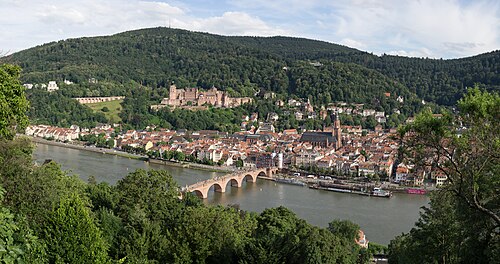
Heidelberg is a picturesque city located in southwestern Germany, nestled within the Neckar River Valley in the federal state of Baden-Württemberg. Renowned for its historic charm and vibrant academic ambiance, Heidelberg is home to Germany's oldest university, Ruprecht Karl University, founded in 1386. The university has attracted students and thinkers from around the world for centuries, contributing to the city’s scholarly reputation. This academic heritage is reflected in the numerous bookstores, libraries, and cultural institutions that populate the city. Heidelberg’s well-preserved old town, or Altstadt, features cobblestone streets lined with colorful baroque buildings, cafés, and boutiques, creating an inviting atmosphere for both residents and visitors.
The city's most iconic landmark is the Heidelberg Castle, perched atop the Königstuhl hill overlooking the city. This Renaissance masterpiece, built between the 13th and 17th centuries, offers stunning views and is a significant symbol of the city's history. Although much of the castle was damaged during the Thirty Years' War and later by the French in the 17th century, extensive restoration work has made it a popular tourist destination, drawing millions annually. The surrounding landscape is characterized by rolling hills, vineyards, and the scenic Neckar River, making Heidelberg an appealing site for outdoor enthusiasts. Festivals and cultural events, including the Heidelberg Spring Music Festival and the Christmas market, enrich the city's social fabric, attracting tourists and locals alike. With its combination of academic prestige, historical significance, and natural beauty, Heidelberg remains a captivating destination in Germany.
Facts about Heidelberg
- Heidelberg is home to Germany's oldest university, Ruprecht Karl University, founded in 1386, which has significantly contributed to the development of German higher education.
- The Heidelberg Castle, a stunning example of Renaissance architecture, is one of Germany's most famous ruins and offers panoramic views of the city and the Neckar River.
- The city is known for its unique Romantic period heritage, attracting artists and poets, and is famously referred to by the German poet Johann Wolfgang von Goethe as the 'most beautiful place in Germany'.
- Heidelberg is the birthplace of the Heidelberg Catechism, an important document in the Reformed Christian tradition that continues to influence Protestantism worldwide.
- The city hosts the annual Heidelberg Literature Festival, one of the most significant literary events in Germany, celebrating authors and promoting literary dialogue.
- Heidelberg has a unique 'Student Jail' (Studentenkarzer) that housed misbehaving students from the university until the early 20th century, where they would spend time in a cell but could decorate the walls.
- The Philosopher's Walk (Philosophenweg) is a renowned scenic pathway that offers stunning views of the old town and castle, historically frequented by philosophers and scholars.
- Heidelberg is one of the few cities in Germany that was not heavily bombed during World War II, allowing much of its historical architecture to remain intact.
- The city is nestled in the Odenwald mountains and features the scenic Neckar River, making it a hub for outdoor activities like hiking and boating.
- Heidelberg is known for its vibrant student life, with a large percentage of the population being university students, which contributes to a youthful and dynamic atmosphere.