Heilbronn, Germany
- 120,733 people
- 15 places to visit
- 49.1427, 9.2109
Places to Visit (15)
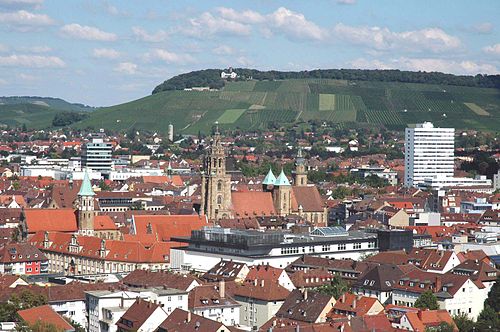
Heilbronn is a city located in the northern part of Baden-Württemberg, Germany, situated on the banks of the Neckar River. With a population of around 125,000 residents, it is one of the larger cities in the region. Known for its rich history, Heilbronn was first mentioned in historical records in the 12th century. The city's development was significantly influenced by its role as a trading hub, particularly during the 19th century, when it became a center for the wine industry. This relationship with viticulture continues to be an important aspect of the local economy, and Heilbronn is part of the Württemberg wine region, famous for its red wines, especially the Trollinger.
The cityscape of Heilbronn features a mix of traditional and modern architecture, showcasing its historical significance alongside contemporary developments. Following extensive damage during World War II, much of the city was rebuilt, resulting in a unique blend of old and new styles. Noteworthy landmarks include the Gothic-style Church of St. Kilian, the Heilbronn Museum, which houses various art and history exhibits, and the Kiliansplatz, a central square that hosts numerous cultural events throughout the year. Heilbronn is also home to several parks and green spaces, providing residents and visitors with opportunities for recreational activities. Moreover, the city serves as an important educational center, hosting institutions like the Heilbronn University, which attracts students from various backgrounds.
Modern Heilbronn is characterized by its vibrant economy, progressing towards technology and innovation. The city's strategic location near Stuttgart and its excellent transportation links make it a favorable site for businesses. The Heilbronn area has become part of a broader economic development strategy that includes initiatives for startups and technological advancements, contributing to the city's growth. Additionally, Heilbronn hosts various cultural festivals, markets, and events throughout the year, fostering a sense of community and attracting tourists. The combination of historical significance, economic vitality, and cultural richness makes Heilbronn a noteworthy city in Germany, reflecting both tradition and modernity.
Facts about Heilbronn
- Heilbronn is known as the 'City of Wine' and has a rich wine-growing tradition that dates back to the Roman era.
- The city's town center features the iconic Kilianskirche, a landmark church with impressive late Gothic architecture.
- Heilbronn hosts the largest wine festival in the region, the Heilbronner Weindorf, attracting thousands of visitors each year.
- The city was significantly damaged during World War II, resulting in the loss of much of its historical architecture, leading to a blend of modern and historical design in its buildings.
- Heilbronn is home to the world's largest wine barrel, the Größte Weinfass der Welt, located in the Württemberg wine region at the historic Württembergische Weinstube.
- The city is known for the Experimenta, an interactive science center that is the largest of its kind in Baden-Württemberg, promoting education and innovation.
- Heilbronn is significant in German history as the birthplace of several notable figures, including the influential poet and philosopher Friedrich Hölderlin.
- The city is strategically located along the Neckar River, making it an important trade hub in southern Germany, with a focus on logistics and transportation.
- Heilbronn has a unique tradition of city gardening, where residents can rent and cultivate small plots of land in designated community gardens.
- The city celebrates its heritage through the Heilbronn Wine Festival and the Heilbronn Christmas Market, offering a blend of local culture and festivities.