Heiligenhaus, Germany
- 27,700 people
- 8 places to visit
- 51.3261, 6.9667
Places to Visit (8)
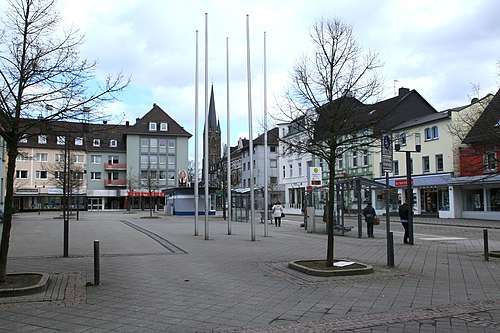
Heiligenhaus is a small city located in North Rhine-Westphalia, Germany, falling under the administrative district of Mettmann. Situated between the larger cities of Düsseldorf and Essen, Heiligenhaus benefits from its strategic location within the Ruhr region, which is known for its industrial significance and vibrant economic landscape. The city has a population of approximately 26,000 inhabitants and covers an area of about 13 square kilometers. Its geographical positioning makes it an attractive residential area, offering a blend of urban amenities and scenic surroundings, as it lies near the foothills of the Bergisches Land, characterized by rolling hills and woodlands.
Heiligenhaus has a rich history that dates back to the medieval period, with evidence of settlement as early as the 12th century. The city's name is derived from the term "Heilig," meaning "holy," and "Haus," meaning "house," which suggests a connection to a historical monastery or church in the vicinity. Throughout the 19th and early 20th centuries, Heiligenhaus witnessed significant development, primarily due to the industrial revolution that swept across Germany. The economy shifted from agriculture to manufacturing, with various industries, including textile production, playing a vital role. In the modern era, Heiligenhaus has evolved into a mixed economy, encompassing small and medium-sized enterprises, retail, and services. The city promotes its local environment, encouraging outdoor activities and community events, enhancing the quality of life for its residents.
Culturally, Heiligenhaus has a number of attractions that reflect its heritage and community spirit. The city is home to several historical buildings, including the St. Joseph's Church, which showcases traditional architecture and provides insight into the area's religious history. Additionally, Heiligenhaus hosts annual events and festivals that highlight local traditions and foster community engagement. The surrounding natural landscape offers residents and visitors opportunities for hiking, cycling, and enjoying leisure activities in parks. With its combination of historical significance, economic growth, and community-oriented lifestyle, Heiligenhaus presents a snapshot of life in contemporary Germany while maintaining its unique cultural identity.
Facts about Heiligenhaus
- Heiligenhaus is known for its unique location in the Ruhr area, encompassing both urban and green spaces, which distinguishes it from many industrial towns in the region.
- The city has a rich history dating back to the 14th century, with its establishment linked to the need for a chapel serving the population in the region, which sets it apart from many newer municipalities.
- Heiligenhaus was significantly influenced by the coal mining industry, with remnants of this industrial heritage visible in various structures throughout the town, showcasing a history intertwined with industrialization.
- The 19th-century Evangelische Kirche, also known as the Protestant Church of Heiligenhaus, features distinct architectural styles and serves as a cultural landmark, contributing to the city's unique historical character.
- Every two years, Heiligenhaus hosts the 'Heiligenhauser Oktoberfest', a local event that combines traditional German festivities with regional culture, differing from the more famous Oktoberfest in Munich.
- Heiligenhaus takes pride in the 'Ewaldsee', a local lake that serves as a recreational area for residents and visitors, offering activities like swimming and fishing, which is less common in many urban centers.
- The city has a vibrant community life with several local clubs and societies, fostering a close-knit atmosphere that is distinct from larger cities where community ties may be more diluted.
- Heiligenhaus is part of the 'Rheinisches Schiefergebirge' (Rhenish Slate Mountains), providing it with unique geological features and landscapes different from neighboring flat regions.
- Culturally, Heiligenhaus is home to the 'Theater im Kunsthaus', highlighting its commitment to local arts and performances, setting it apart from many smaller towns without such facilities.
- The city maintains several preserved historic buildings, including old villas and the 'Alte Schule' (Old School), exemplifying architectural styles from different periods, making it unique among its peers.