Heinsberg, Germany
- 41,505 people
- 9 places to visit
- 51.0641, 6.0944
Places to Visit (9)
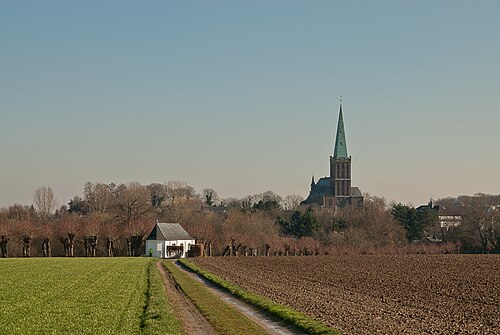
Heinsberg, a municipality in North Rhine-Westphalia, Germany, lies near the borders of the Netherlands and Belgium. It serves as the administrative center of the Heinsberg district and is part of the larger Rhine-Ruhr metropolitan area. With a population of approximately 40,000 residents, Heinsberg has a rich history dating back to the Roman era, evidenced by archaeological finds and historical documentation. The town's name is derived from "Hein," likely referencing a personal name, and "Berg," meaning mountain or hill, which fits its location on the banks of the river Wurm.
The city is notable for its traditional architecture, which includes several medieval buildings and churches, particularly St. Gangulfus Church, a prominent Romanesque structure. Heinsberg experienced economic growth during the 19th century due to its proximity to coal mining and textile industries. However, like many towns in the region, it faced significant challenges in the post-industrial era, but it has effectively adapted by fostering a diverse economy that includes small and medium-sized enterprises. The city also emphasizes community and social services, with a variety of educational institutions and recreational facilities available for residents. The local culture is enriched by events and festivals, such as the annual Heinsberg Carnival, reflecting the region's vibrant traditions.
Heinsberg's geographical position enhances its appeal, offering easy access to major cities like Aachen, Düsseldorf, and Cologne, making it a strategic location for commuters. The surrounding landscape features scenic parks and natural reserves, providing residents and visitors with opportunities for outdoor activities. Moreover, Heinsberg’s infrastructure, including well-connected roads and public transportation, contributes to its reputation as a livable city. Despite facing modern challenges, including the impacts of the COVID-19 pandemic, Heinsberg continues to pursue initiatives aimed at economic development and environmental sustainability, ensuring a balanced approach to growth and quality of life for its inhabitants.
Facts about Heinsberg
- Heinsberg is known for its historical significance, being one of the oldest towns in the Lower Rhine region, with roots tracing back to the Roman Empire.
- The Heinsberg Castle, a medieval castle dating back to the 13th century, is a prominent landmark that illustrates the city's rich historical heritage.
- Heinsberg served as a major center for the textile industry in the 19th century, which significantly contributed to its economic development.
- The city is home to the St. Gangolf Church, a remarkable example of Gothic architecture, which dates back to the 14th century.
- Heinsberg was one of the first cities in Germany to implement a comprehensive pedestrian zone, showcasing its commitment to modern urban planning.
- In recent years, Heinsberg gained international attention as one of the first German cities impacted by the COVID-19 outbreak, leading to early governmental responses.
- Every year, Heinsberg hosts the 'Heinsberg Carnival,' one of the largest and most colorful carnivals in North Rhine-Westphalia, attracting thousands of visitors.
- The city is surrounded by various nature reserves and parks, offering a blend of historical charm and natural beauty, making it unique among urban centers.
- Heinsberg's location near the borders of the Netherlands and Belgium makes it a notable point for cross-border trade and cultural exchange.
- The city promotes a vibrant local arts scene, with numerous galleries and community events that distinguish it from many other towns in the region.