Hellín, Spain
- 30,976 people
- 7 places to visit
- 38.5082, -1.6983
Places to Visit (7)
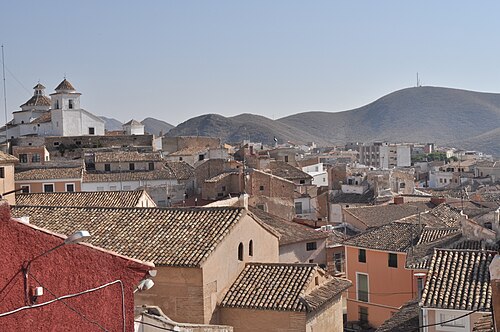
Hellín is a municipality and city located in the province of Albacete, within the autonomous community of Castilla-La Mancha, Spain. Nestled in the southeastern part of the country, it occupies a strategic position at the junction of major transportation routes, making it a significant hub in the region. Hellín has a rich historical heritage, with roots tracing back to the Roman era, evidenced by archaeological remains such as the ruins of the Roman town of "Ildum." The city’s architecture reflects a blend of styles ranging from medieval to modern, prominently featuring the Church of La Asunción, which showcases Gothic elements and intricate Baroque details.
In addition to its historical significance, Hellín is renowned for its vibrant cultural traditions, most notably the celebration of its Semana Santa (Holy Week) and the historical reenactments that occur throughout the year. These festivals attract visitors from across the region and highlight the community's deep religious roots and commitment to preserving its customs. The local economy is primarily driven by agriculture, with an emphasis on crops such as almonds, olives, and cereals, alongside burgeoning industrial and service sectors. Geographically, the city is characterized by a semi-arid landscape, which influences both its climate and agricultural practices. Overall, Hellín represents a unique blend of history, culture, and economic development, making it a notable destination within Spain's diverse tapestry.
Facts about Hellín
- Hellín is known for its unique drum playing tradition during Semana Santa (Holy Week), where the sound of drums resonates throughout the city, creating a distinctive atmosphere.
- The city is home to the annual 'Tamborada de Hellín', a festival that showcases its rich drumming culture, attracting thousands of visitors each year.
- Hellín is located in the province of Albacete and is famous for its production of artisanal pottery, which reflects the city's historical connection to craftsmanship.
- The archaeological site of 'El Bolil', located near Hellín, features ancient remains that date back to the Bronze Age, marking the area's long history of human settlement.
- Hellín is also known for its unique architectural style, prominently featuring the 'Mudéjar' architecture, which combines Islamic and Christian design influences.
- The city is reputed for the cultivation of olives and almonds, contributing to its local economy and culinary heritage, particularly in the production of high-quality olive oil.
- Hellín boasts the 'Castle of Hellín', which offers panoramic views of the surrounding region and serves as a reminder of the city's strategic importance during medieval times.
- In addition to its drumming traditions, Hellín is famous for the 'Fiesta de la Pasión', where locals reenact the Passion of Christ, blending religious devotion with vibrant displays of culture.
- The city has a rich literary history, having been the birthplace of renowned Spanish poet and writer José de Campo, who contributed significantly to Spanish literature.
- Hellín's historic center features numerous churches, including the impressive Church of Our Lady of the Assumption, showcasing beautiful baroque architecture.