Helmstedt, Germany
- 25,515 people
- 9 places to visit
- 52.2273, 11.0037
Places to Visit (9)
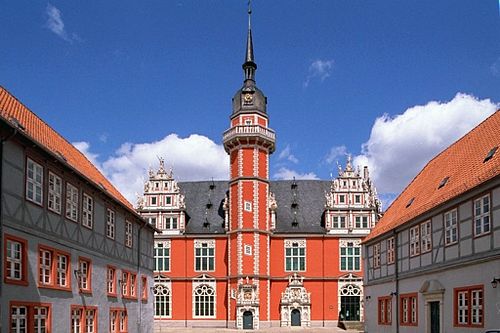
Helmstedt is a town located in Lower Saxony, Germany, known for its rich history and strategic significance due to its location near the former East-West German border. With a population of approximately 12,000, Helmstedt is part of the district of Helmstedt, which has roots dating back to the days of medieval Germany. The town is characterized by its picturesque architecture, featuring half-timbered houses that offer a glimpse into its historical past. Helmstedt was originally founded as a settlement in the 10th century and gained prominence with the establishment of a monastery in 1000 AD. Throughout the centuries, it has been an important center of trade and education, notably housing the University of Helmstedt from 1576 until its closure in 1810, which played a key role in the intellectual life of the region.
As a town that straddles historical and cultural boundaries, Helmstedt's significance grew during the Cold War. It served as a border crossing point between East and West Germany, particularly at the Helmstedt-Marienborn crossing, which became one of the most heavily monitored and used crossings during the divided Germany period. Today, remnants of this era can still be seen in the town's architecture and infrastructure, and the area has transformed into a symbol of reunification. The town features several historical attractions, including the St. Stephen's Church, which showcases beautiful Gothic architecture, and the Old Market Square, where visitors can enjoy cafes and shops nestled amongst the history.
In recent years, Helmstedt has embraced its historical heritage while also investing in modern developments. The town promotes various cultural events and festivals throughout the year, making it a vibrant place for both residents and tourists. Additionally, Helmstedt is well-connected to nearby cities and towns, making it an ideal base for exploring the picturesque landscapes of Lower Saxony. The town's blend of history, culture, and modern amenities makes it a unique destination within Germany, reflective of the broader changes that have occurred in the region over the past several decades.
Facts about Helmstedt
- Helmstedt has a rich history as a center of education, home to the historic University of Helmstedt, founded in 1576, which was one of the leading universities in Germany until its closure in the 19th century.
- The city played a significant role as a border town during the Cold War, located near the Iron Curtain, making it a critical point for East-West relations.
- Helmstedt is known for its remarkable medieval architecture, including the St. Stephen's Church with its unique half-timbered design and ornate altar.
- The city is home to the interesting 'Helmstedt Glider Bridge,' a pedestrian bridge that innovatively combines the old and new, representing the city’s commitment to modern urban design while preserving historical aesthetics.
- Helmstedt's Old Town features beautiful squares and streets that showcase typical Lower Saxony architecture, providing a charming atmosphere distinct from larger urban centers.
- The 'Braunschweig - Helmstedt Railway,' which opened in 1842, was one of the first railways in Germany and significantly contributed to the region's development and connectivity.
- Helmstedt hosts the annual 'Helmstedter Musiktage,' a cultural festival celebrating music and arts, attracting visitors from various regions and enhancing the town’s cultural significance.
- The Lutheran Reformation played a significant role in Helmstedt's history, as the city housed key figures and debates during this transformative period in the 16th century.
- Helmstedt is known for its proximity to the beautiful Elm-Lappwald Nature Park, offering residents and visitors a unique blend of nature and recreation opportunities not found in many urban areas.
- The city has a strong tradition of local craftsmanship and trades, particularly in textiles and ceramics, allowing it to maintain a distinct cultural identity amidst modern industrialization.