Helsinki, Finland
- 658,864 people
- 18 places to visit
- 60.1698, 24.9384
Places to Visit (18)
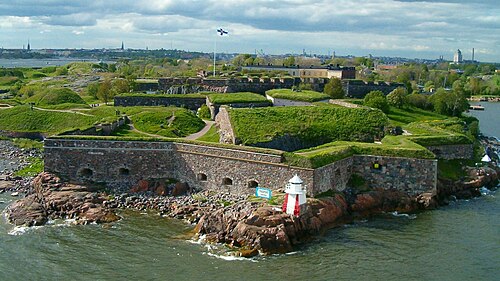
Helsinki, the capital of Finland, is located on the southern coast of the country, bordering the Gulf of Finland. Founded in 1550 by King Gustavus I of Sweden, it initially served as a trading post intended to compete with the more established city of Reval, now Tallinn in Estonia. Over the centuries, Helsinki evolved significantly and was officially designated as the capital of Finland in 1812, chosen for its strategic location and potential for development. Today, it is the largest city in Finland, with a population of approximately 650,000 residents, making it the cultural, political, and economic heart of the nation.
The city is renowned for its unique blend of modern architecture and historical buildings, showcasing styles that range from neoclassical to contemporary design. Notable landmarks include the iconic white Helsinki Cathedral, the bustling Market Square, and the modernist Finlandia Hall, designed by the renowned architect Alvar Aalto. Helsinki is also known for its commitment to sustainability and innovation, consistently ranked among the world’s most livable cities. The city’s vibrant cultural scene features numerous museums, galleries, theaters, and music venues, highlighting Finnish art and heritage. Events such as the Helsinki Festival and various design fairs draw visitors from around the globe, further enhancing the city's reputation as a center for arts and culture.
Helsinki's geography is characterized by its beautiful archipelago, which consists of approximately 1,700 islands, many of which are accessible by ferry. This proximity to nature provides residents and visitors with ample opportunities for outdoor activities, from hiking and cycling to swimming in the summer months. The city's public transportation system, featuring trams, buses, and ferries, is known for its efficiency, connecting various districts and making it convenient to explore diverse neighborhoods, each offering a distinct character. With its rich history, stunning scenery, and modern amenities, Helsinki embodies a harmonious blend of tradition and progress, making it a captivating destination for travelers and a dynamic place to live.
Facts about Helsinki
- Helsinki is the capital city of Finland and serves as the political, economic, and cultural center of the country.
- The city was founded in 1550 by King Gustav I of Sweden as a trading town to compete with the Hanseatic city of Reval (now Tallinn, Estonia).
- Helsinki has a unique coastal archipelago with approximately 330 islands, making it one of the few capital cities with such a vast natural waterfront.
- The city's architecture is a blend of neoclassical, Art Nouveau, and modern styles, with the Helsinki Cathedral being one of its most iconic landmarks.
- Helsinki is recognized as a UNESCO World Design Capital, showcasing its commitment to design and innovation through various events and initiatives.
- The Sibelius Monument, dedicated to the composer Jean Sibelius, is a notable landmark in Helsinki and consists of 24 steel pipes that resemble an organ.
- Helsinki hosts the annual Helsinki Festival, the largest arts festival in Finland, attracting various cultural performances and art exhibitions.
- The city was chosen to be the World Capital of Architecture in 2022, highlighting its importance in the fields of design and architecture.
- Helsinki's Market Square (Kauppatori) is famous for its vibrant market stalls, fresh produce, and stunning views of the harbor and surrounding islands.
- Helsinki has a strong commitment to sustainability and was named the European Green Capital in 2019, recognizing its efforts to promote eco-friendly practices.