Hénin-Beaumont, France
- 25,371 people
- 6 places to visit
- 50.4201, 2.9473
Places to Visit (6)
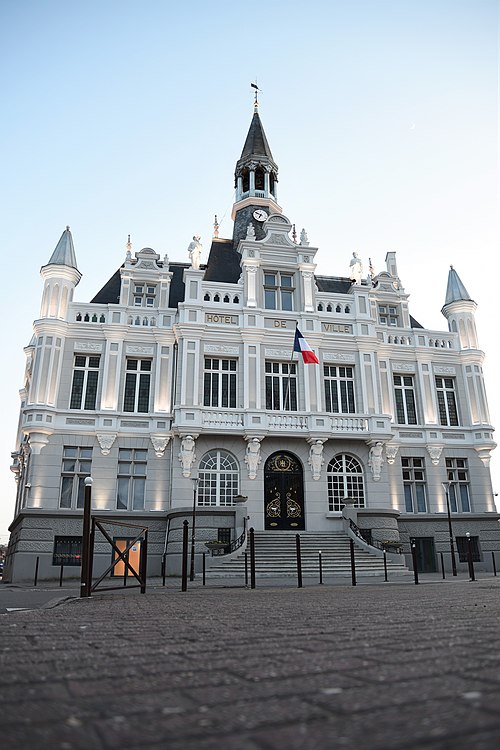
Hénin-Beaumont is a commune located in the Pas-de-Calais department in the northern part of France. Situated approximately 190 kilometers north of Paris, this city is part of the Lille metropolitan area and falls within the historical coal mining region of Nord-Pas-de-Calais. The city was formed in 1971 through the merger of the towns of Hénin and Beaumont, which have roots tracing back to the medieval period. Historically, Hénin-Beaumont became an important hub during the Industrial Revolution due to its proximity to coal mines, which burgeoned in the 19th and early 20th centuries. The decline of the mining industry in the late 20th century led to economic challenges, prompting local efforts to diversify and revitalize the economy.
Hénin-Beaumont is characterized by its diverse population and vibrant local community. The city has various cultural landmarks, including parks, church buildings, and museums that reflect its rich history. The Parc de la Liberté and the church of Saint-Adrien are popular spots for both residents and visitors. Politically, Hénin-Beaumont has gained attention in recent years due to the rise of far-right politics in France, particularly with the National Rally Party having significant influence in local government. This political dynamic has generated discussions about immigration, economic policies, and social issues that resonate throughout the region. Despite its challenges, Hénin-Beaumont continues to advocate for urban renewal and development initiatives, aiming to improve the quality of life for its residents while honoring its historical legacy.
Facts about Hénin-Beaumont
- Hénin-Beaumont was formed in 1971 through the merger of several smaller towns, notably Hénin-Liétard and Beaumont-en-Artois.
- The city is known for its unique industrial heritage, particularly its history in coal mining, which shaped the local economy and culture.
- Hénin-Beaumont is home to the 'Place du Marché,' a significant public square that hosts weekly markets and various community events.
- The city features the 'Eglise Saint-Martin,' a church that reflects a mix of architectural styles, including elements from the Gothic period.
- In recent years, Hénin-Beaumont has been noted for its political significance, especially due to the prominence of the National Rally party in local elections.
- Hénin-Beaumont serves as a key example of urban regeneration in post-industrial France, with ongoing investments to revitalize the area.
- The 'Parc des Anciennes Tuileries' is a notable green space in the city, providing a natural escape and recreational opportunities for residents.
- The city hosts several traditional festivals that celebrate regional culture, including the 'Fête de la Saint-Jean' which features local music and food.
- Hénin-Beaumont's location in the Hauts-de-France region makes it a strategic point for accessing both urban and rural landscapes, being close to larger cities like Lille.
- In 2017, Hénin-Beaumont was recognized for its initiatives in local development and community engagement, being awarded the 'Label Ville Amie des Enfants' for its family-friendly policies.