Hennigsdorf, Germany
- 26,122 people
- 8 places to visit
- 52.6352, 13.1989
Places to Visit (8)
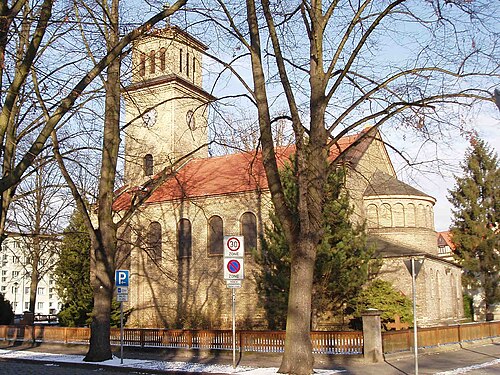
Hennigsdorf is a town in the northeastern part of Germany, located within the state of Brandenburg. Situated approximately 25 kilometers north of Berlin, it is part of the Barnim district and resides along the banks of the river Havel. The town has a rich history that dates back to the 13th century, when it was first documented as a settlement. It has since evolved from a small agricultural village into a vibrant community, characterized by a mix of suburban residential areas, industrial sites, and green spaces. Hennigsdorf's proximity to Berlin makes it an attractive location for commuters who work in the capital, shaping its demographic profile, which features a diverse population.
Hennigsdorf is known for its industrial developments, particularly in sectors such as machinery, metalworking, and the production of electronics. The town is home to several companies and enterprises that contribute to the local economy, alongside small and medium-sized businesses. Cultural and recreational opportunities in Hennigsdorf include parks, sports facilities, and community events, fostering a sense of local identity. Additionally, the town offers various educational institutions, including primary and secondary schools, ensuring a comprehensive educational network for residents. With reliable public transportation links to Berlin, including train services and bus routes, Hennigsdorf continues to grow as a desirable place for families and professionals seeking a balance between urban convenience and a quieter lifestyle.
Facts about Hennigsdorf
- Hennigsdorf is located in the state of Brandenburg, just northwest of Berlin, and is part of the Berlin metropolitan area.
- The city has a rich industrial heritage, famously known for its manufacturing in the fields of textiles, metal, and machinery during the 19th and early 20th centuries.
- Hennigsdorf is home to the renowned Hennigsdorf tram factory, which is pivotal in the production of trams and rail vehicles, contributing significantly to the local economy.
- The historic Hennigsdorf town center features architecture from different eras, showcasing its development over time, including a few well-preserved buildings from the 19th century.
- Hennigsdorf is known for its diverse parks and green spaces, particularly the Reinhardtsdorfer Moor, which provides recreational opportunities amidst natural surroundings.
- The city hosts the annual 'Hennigsdorfer Stadtfest', a local cultural festival that celebrates community spirit with music, food, and various entertainment activities.
- Hennigsdorf played an important role during the GDR era, serving as a site for various state-sponsored projects and industrial developments, which continued after reunification.
- The city has a strong focus on sustainability and environmental initiatives, reflected in its modern developments and green energy projects.
- Hennigsdorf is strategically located near significant transport links, including the Berlin S-Bahn and major highways, making it a convenient location for commuters and businesses.
- The city is home to several educational institutions, including vocational schools that cater to the local industrial sector, helping to foster a skilled workforce.