Herborn, Germany
- 20,473 people
- 11 places to visit
- 50.6847, 8.3023
Places to Visit (11)
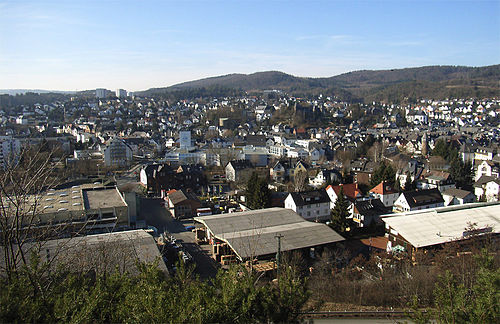
Herborn is a picturesque town located in the district of Lahn-Dill-Kreis, in the state of Hesse, Germany. Nestled in the scenic landscape of the Westerwald mountains, Herborn boasts a rich history that dates back to the 13th century. The town was first documented in 1230 and has undergone various transformations throughout its history. Once a thriving center for the textile industry, particularly in the production of linen, Herborn evolved over the centuries into a charming urban area known for its well-preserved medieval architecture and vibrant cultural life. The town's historical core features cobblestone streets, half-timbered houses, and significant landmarks such as the Evangelische Stadtkirche, a church that exemplifies the transitioning architectural styles between Gothic and Baroque periods.
Herborn is also known for its strategic location along the Dill River, which has contributed to its development as a regional trade center. The town's economy has diversified over time, with modern industries complementing traditional crafts. Tourism plays a notable role in Herborn's economy, drawing visitors to explore its rich history, local museums, and natural attractions. The surrounding area offers numerous hiking and biking trails, making it a popular destination for outdoor enthusiasts. Cultural events, including local festivals and markets, enrich the community life, reflecting both traditional Hesse customs and contemporary influences. Additionally, Herborn is home to the well-respected Evangelische Bildungshaus, which emphasizes the town's commitment to education and cultural exchange.
In modern times, Herborn continues to thrive as a small but vibrant community, balancing its historical roots with contemporary developments. The charm of Herborn lies in its blend of history, culture, and natural beauty, making it an intriguing destination for travelers and a beloved hometown for its residents. With its inviting atmosphere and rich heritage, Herborn exemplifies the quintessential qualities of a charming German town.
Facts about Herborn
- Herborn is known for its well-preserved medieval old town, featuring half-timbered houses that showcase traditional German architecture.
- The city is home to the Herborn Castle, a prominent structure from the Renaissance period, which now hosts a variety of cultural events and exhibitions.
- Herborn played a significant role in the history of the Moravian Church, with its roots going back to the 18th century when the community was particularly active in this area.
- The city is famous for its unique educational heritage, housing the Herborn Academy, which was one of the first Protestant theological schools established in Germany.
- Herborn is situated at the edge of the scenic Dill Valley, offering numerous hiking and outdoor recreational opportunities that set it apart from many urban centers.
- Every year, Herborn hosts a traditional Christmas market that attracts visitors with its charming atmosphere, handmade crafts, and local culinary delights.
- The city's Evangelische Stadtkirche is notable for its impressive architecture and beautiful stained glass windows, making it a key landmark in Herborn.
- Herborn is often recognized for its commitment to sustainability and green initiatives, distinguishing it as a forward-thinking community among German towns.
- The town features a unique local museum that highlights its history, culture, and craft traditions, contributing to its distinct local identity.
- Herborn has a vibrant cultural scene with various events throughout the year, including music festivals, theater performances, and art exhibitions, reflecting its rich community life.