Herne, Germany
- 172,108 people
- 15 places to visit
- 51.5369, 7.2009
Places to Visit (15)
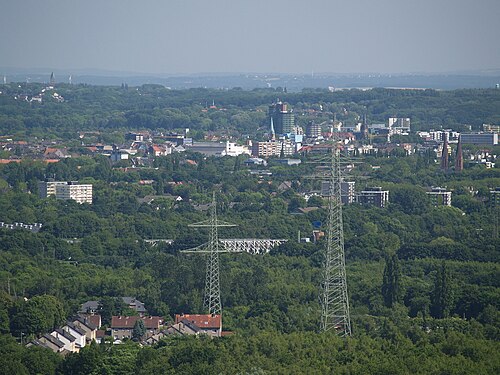
Herne is a city located in the North Rhine-Westphalia region of Germany. It is part of the Ruhr area, a densely populated metropolitan zone historically known for its coal and steel industries. Herne was officially recognized as a city in 1975, following the merger of several smaller municipalities, including Herne, Wanne-Eickel, and parts of other neighboring towns. With a population of approximately 157,000 residents, Herne serves as a significant administrative, economic, and cultural center due to its strategic position in the heart of one of Germany’s most industrialized regions.
Herne features a mix of urban development and green spaces. The city offers various parks and recreational areas, such as the popular Schlosspark, which surround the reconstructed Castle of Herne. This castle, which dates back to the 13th century, currently hosts a museum and serves as a cultural landmark. The city has made efforts to revitalize its industrial legacy, turning former coal mines into cultural venues. The most notable is the "Zeche Consolidation," a former coal mine that now serves as a museum and cultural site, showcasing the region’s rich industrial heritage while promoting modern art and public events.
Economically, Herne is characterized by a diverse industrial base, with significant contributions from manufacturing, logistics, and healthcare sectors. The city is well-connected by transportation infrastructure, including major roads and rail lines that facilitate commerce and mobility. As part of the larger Ruhr area, Herne benefits from regional initiatives aimed at sustainable development and innovation. The city’s commitment to environmental issues is reflected in its numerous projects aimed at enhancing its urban environment and quality of life for residents. Overall, Herne combines rich historical roots with a modern approach to urban living, making it an essential part of Germany's economic landscape.
Facts about Herne
- Herne is part of the Ruhr area, a significant industrial region in Germany, known historically for its coal mining and steel production.
- The city is home to the iconic 'Wanne-Eickel' railway station, which is renowned for its unique architectural design and historical significance in regional transport.
- Herne hosts the largest annual carnival in North Rhine-Westphalia, known as 'Herner Karneval', drawing thousands of visitors with its colorful parades and festivities.
- The Stadtgarten Herne is a notable urban park that features beautiful gardens, a lake, and hosts various cultural events throughout the year.
- Herne is known for its unique 'Eisenbahnerkirche' (Railway Church), which reflects the city's rail transport history and serves as a community hub.
- The city has a strong football culture, being the home of the local club, Herner EV, which has achieved success in various leagues.
- Herne is one of the few cities in Germany that has implemented a unique urban development program focused on transforming former industrial sites into green spaces and community areas.
- The city is renowned for its commitment to sustainability, featuring numerous eco-friendly projects aimed at reducing its carbon footprint and promoting green living.
- Herne is also famous for the 'Museum of Coal,' which is dedicated to the history of coal mining and its impact on the region's development.
- The city's cultural calendar includes the annual 'International Short Film Festival', attracting filmmakers and cinema enthusiasts from around the world.