Herning, Denmark
- 50,565 people
- 14 places to visit
- 56.1386, 8.9673
Places to Visit (14)
Herning is a city located in the Central Denmark Region, within the municipality of the same name. It is situated approximately 50 kilometers southwest of Aarhus and 300 kilometers northwest of Copenhagen. Established in the late 19th century, Herning emerged as a significant center for trade and industry, particularly known for its textile manufacturing, a legacy that shaped much of the city’s economic landscape. The city's growth was accelerated by the arrival of the railway in 1871, linking it to larger urban centers and facilitating commerce. Today, Herning is often recognized for its blend of a modern and historical atmosphere, with architecture reflecting its industrial heritage alongside contemporary designs.
The city boasts a variety of cultural offerings, including museums, theaters, and music venues, which contribute to its vibrant community life. The Herning Museum of Contemporary Art showcases a range of modern works and hosts various exhibitions, while the local cultural scene is enriched by events such as the annual Herning Festival. Additionally, Herning is home to several educational institutions, including college-level programs that support the city's role as a center for learning and innovation. With a population of around 50,000, Herning is considered a regional hub, serving as a central point for commerce and services in the area. It is also known for its sports, particularly football and handball, with local teams enjoying passionate support from the community.
Overall, Herning is characterized by its diverse economic base, cultural vibrancy, and a commitment to education and innovation. The city continues to evolve while preserving its historical roots, making it an attractive destination for both residents and visitors alike. With significant investments in infrastructure and community development, Herning is well-poised for continued growth and modernization, maintaining its status as a key player in Denmark's dynamic regional landscape.
Facts about Herning
- Herning is known as the 'Silk City' due to its historic role in the textile industry, particularly in silk production in the late 19th and early 20th centuries.
- The MCH Messecenter Herning is one of the largest exhibition and conference centers in Scandinavia, hosting numerous events including the annual cattle show 'Hernings Dyre- og Landbrugsudstilling'.
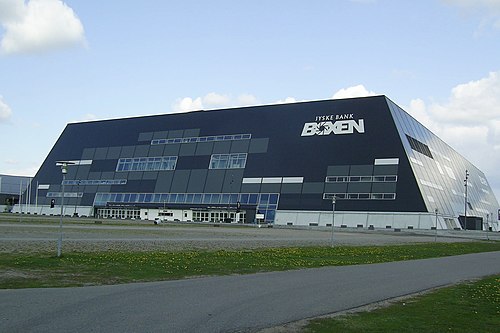
- Herning is home to the famous Jyske Bank Boxen, a multipurpose arena that hosts concerts, sports events, and has drawn international attention for its design and acoustics.
- The city features the Herning Museum of Contemporary Art (HEART), which is unique in Denmark for its focus on contemporary art and has a strong collection of Danish and international artists.
- Herning has a rich sporting culture, especially known for its successful handball team, Team Herning-Ikast, which has won multiple national championships.
- The 'Go' art installation in Herning, created by the artist Jørgen Balle, is a well-known symbol of the city and acts as a meeting point in the urban landscape.
- Herning has a unique city layout, designed in the 1960s by the architect and urban planner, Arne Jacobsen, which emphasizes open spaces and pedestrian-friendly areas.
- The annual Herning Festival features music, arts, and culture, showcasing local and international talent, and is one of the key cultural events in the region.
- The city is also famous for its annual 'Danish Dance Festival', which attracts dancers and enthusiasts from around the globe, highlighting Herning's role as a cultural hub.
- Herning's architecture blends modern designs with historical buildings, making it distinct with structures like the Herning Church, known for its unique tower and design.