Herrenberg, Germany
- 31,338 people
- 6 places to visit
- 48.595, 8.8672
Places to Visit (6)
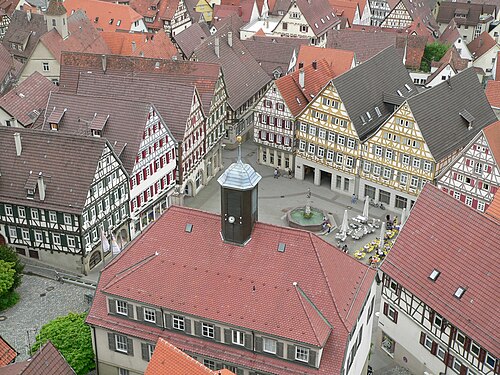
Herrenberg is a charming town located in the Böblingen district of Baden-Württemberg, Germany. Situated approximately 30 kilometers southwest of Stuttgart, it lies at the edge of the Schönbuch Nature Park, providing residents and visitors access to natural beauty and outdoor activities. With a population of around 14,000, Herrenberg combines the characteristics of both a vibrant town and a close-knit community. The town’s history dates back to the early Middle Ages, with its origin attributed to the founding of a monastery in 1136. The historical significance of Herrenberg is evident in its well-preserved medieval architecture, including the St. John's Church (Johanneskirche), which features a distinctive tower and serves as a prominent landmark in the town center.
In addition to its rich history, Herrenberg has modern amenities and a robust local economy. The town is known for its diverse range of shops, restaurants, and cultural activities, fostering a lively downtown atmosphere. Its excellent transport links, including access to the A81 autobahn and a regional train line, make Herrenberg an attractive residential area for commuters working in Stuttgart and surrounding cities. The town hosts numerous events throughout the year, such as the Herrenberger Markt, a traditional market that showcases local crafts and produce, enhancing community spirit and engagement. Furthermore, the surrounding landscape offers opportunities for hiking, cycling, and enjoying the scenic beauty of the Schönbuch woodland.
Herrenberg's commitment to sustainability and green initiatives is also notable. The town has made strides in promoting renewable energy and ecological practices, aligning with broader regional goals in Baden-Württemberg to enhance environmental sustainability. This forward-thinking approach, coupled with its rich cultural heritage and welcoming community, makes Herrenberg a unique blend of tradition and modernity, reflecting the characteristics of both rural and urban life. As such, Herrenberg is not only a historical gem but also a vibrant place to live and work, attracting individuals and families looking for a balanced lifestyle amidst nature and culture.
Facts about Herrenberg
- Herrenberg is home to a well-preserved medieval old town, featuring narrow streets and historic timber-framed houses that date back to the 14th century.
- The city is known for its impressive Evangelische Stadtkirche, a gothic church that features a significant altarpiece by the artist Hans Seyfer.
- Herrenberg is located along the historic Wool Road (Wollstraße), which was a vital trade route in the Middle Ages for transporting wool from the region.
- Each year, Herrenberg hosts the traditional Rammelhof Festival, celebrating local culture with food, music, and crafts, which attracts visitors from surrounding areas.
- The city's location in the beautiful Swabian Jura provides numerous hiking opportunities, particularly the renowned Schönbuch Nature Park nearby, which is a popular destination for nature enthusiasts.
- Herrenberg was granted city rights in 1270, showcasing its long-standing significance in the region's history.
- The Stadtmuseum Herrenberg highlights the town's history, including its role in the Protestant Reformation and its connection to historical figures like Johannes Kepler.
- Herrenberg's market square features a distinctive fountain that dates back to 1595, often serving as a picturesque backdrop for local events and gatherings.
- The area around Herrenberg is celebrated for its wine production, particularly Riesling and Lemberger, contributing to the local economy and cultural identity.
- The city is known for its innovative approach in urban planning, blending historical preservation with modern development, setting a standard for other cities in Germany.