Heyuan, China
- 463,907 people
- 5 places to visit
- 23.7437, 114.7004
Places to Visit (5)
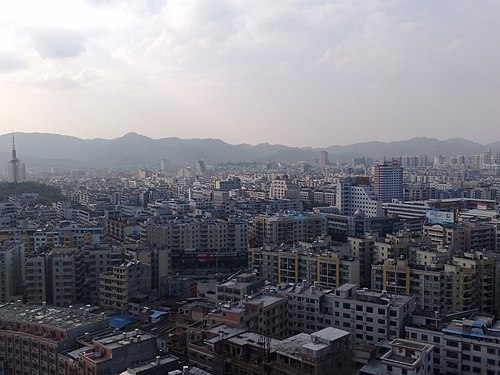
Heyuan is a city located in the eastern part of Guangdong Province, China. Situated approximately 200 kilometers northeast of Guangzhou, it serves as the administrative center of Heyuan Prefecture. The city covers an area of around 15,000 square kilometers and has a population of approximately 2.6 million people. Heyuan is characterized by its beautiful landscapes, with the Dasha River flowing through it and surrounding hills covered in lush greenery. The region's subtropical climate, featuring mild winters and hot, humid summers, contributes to its rich biodiversity.
Historically, Heyuan has been an important agricultural center, particularly known for the cultivation of rice, fruit, and tea. The fertile plains and abundant water resources have made it conducive to farming. In recent decades, Heyuan has diversified its economy, with significant developments in manufacturing, mining, and tourism. The city is noted for its production of ceramics and electric equipment, alongside a thriving automotive and textiles industry. Tourism has also gained momentum, with attractions like the Heyuan Dinosaur Museum, celebrated for its collection of dinosaur fossils, and the stunning Nature reserves around the city, including the beautiful courses of the Xinfengjiang Reservoir.
Cultural heritage plays a vital role in the identity of Heyuan. The city is home to various ethnic groups, mainly the Han people, and hosts numerous cultural festivals and traditions. Notably, the Heyuan Lantern Festival and the Dragon Boat Festival are significant events that attract both locals and visitors. As a relatively less commercialized destination compared to other cities in Guangdong, Heyuan offers a unique glimpse into Chinese culture and traditions while embracing modernity through its evolving economy. Its combination of natural beauty, historical significance, and cultural richness makes Heyuan an intriguing city in the vibrant landscape of China.
Facts about Heyuan
- Heyuan is known as the 'Hometown of Dinosaurs' due to the discovery of numerous dinosaur fossils, with over 17,000 fossil specimens found in the area.
- The city hosts the world's largest dinosaur fossil exhibition hall, showcasing a vast collection of dinosaur bones and related artifacts.
- Heyuan is famous for its unique water resources, particularly the 'Heyuan Waterfall,' which is the largest waterfall in Guangdong Province.
- In 2001, Heyuan was recognized by the Guinness World Records for having the largest dinosaur footprint in the world.
- The city celebrates the 'Heyuan Dinosaur Culture Festival' annually, which includes exhibitions, educational events, and cultural performances centered around its dinosaur heritage.
- Heyuan is home to the River of Life, a scenic area featuring picturesque landscapes, botanical gardens, and traditional Chinese architecture.
- The Heyuan area has a rich cultural history that dates back over 2,000 years, with various archaeological sites that reflect its ancient civilizations.
- The local cuisine of Heyuan is distinctive, known for its emphasis on freshwater fish and unique rice dishes, influenced by the city's abundant waterways.
- Heyuan is strategically located as a transport hub, connecting several major cities in Guangdong, including Guangzhou and Shenzhen.
- Unlike many other cities in China, Heyuan is characterized by its subtropical climate, which contributes to its lush natural scenery and biodiversity.